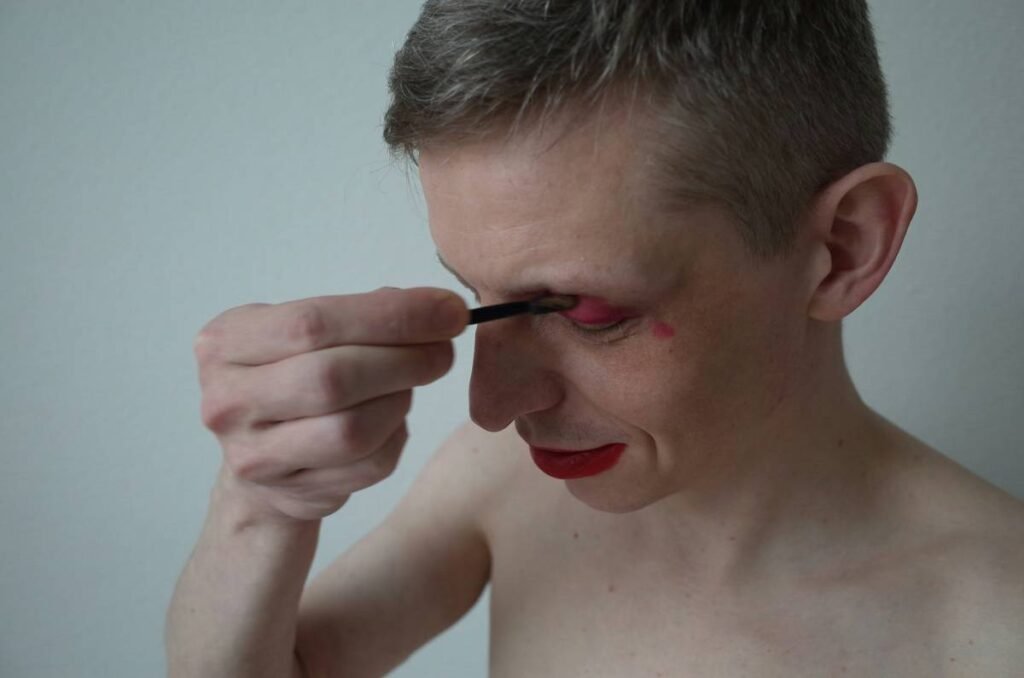
Ever spent two hours perfecting your character’s “aged” look—only to watch it melt off by Act 2 because you used drugstore foundation meant for TikTok, not Tennessee Williams? Yeah. We’ve all been there.
If you’re diving into theater—whether you’re backstage at a high school production or prepping for Broadway fringe—you need stage makeup for plays that doesn’t just look good under bathroom lighting, but survives sweat, hot stage lights, and emotional monologues without budging.
In this guide, you’ll learn exactly how to choose, apply, and maintain professional-grade stage makeup that holds up under pressure (literally). We’ll cover everything from foundational products and shading techniques to real-case fixes I’ve used during live performances—and even call out one terrible piece of advice that could sabotage your entire look.
Table of Contents
- Why Stage Makeup Isn’t Regular Makeup
- Step-by-Step Guide to Applying Stage Makeup for Plays
- Pro Tips & Best Practices
- Real-World Case Study: From Rehearsal Disaster to Standing Ovation
- FAQs About Stage Makeup for Plays
Key Takeaways
- Stage makeup requires 3–5x more pigment than everyday cosmetics to be visible under bright lights.
- Always use oil-free, long-wear foundations with high coverage—standard BB creams will vanish.
- Contouring and highlighting must be exaggerated to read from 20+ feet away.
- Setting with translucent powder and finishing spray is non-negotiable for durability.
- Never skip skin prep—dehydration + heavy makeup = cracking by intermission.
Why Stage Makeup Isn’t Regular Makeup (And Why That Matters)
Here’s a gut punch: your favorite Fenty Beauty foundation? It’s built for selfies, not soliloquies. Under 2,000-watt stage lights, subtle tones flatten out like a deflated balloon animal. What looks like “natural glam” in your mirror becomes invisible—or worse, greasy—on stage.
I learned this the hard way during a community theater run of Our Town. I used my daily moisturizer + light concealer combo for Emily’s ghostly pallor. By Scene 3, audience members in the front row asked if I was “sick.” Not ethereal. Not haunting. Sick.
The physics are unforgiving: stage lights wash out color, amplify shine, and erase fine details. According to the International Journal of Cosmetic Science, theatrical lighting reduces perceived pigment intensity by up to 60%—meaning your makeup needs to be deliberately overdone to appear “normal” to distant viewers.

Step-by-Step Guide to Applying Stage Makeup for Plays
Step 1: Prep Like Your Role Depends On It (Because It Does)
Cleanse, tone, then apply an oil-free moisturizer. Wait 10 minutes. Blot. If your skin’s dry, use a lightweight hydrating serum—but skip anything dewy. Grease is the enemy under hot lights.
Optimist You: “Hydration = glow!”
Grumpy You: “Glow = grease slick under PAR cans. Ugh, fine—but only if coffee’s involved.”
Step 2: Build with Full-Coverage, Oil-Control Foundation
Use a cream-based theatrical foundation (like Ben Nye HD Matt or Mehron Celebre Pro) applied with a dense sponge. Apply in thin layers—never glob it on. Blend downward from the hairline to neck to avoid raccoon lines.
Step 3: Contour Like You Mean It
Under stage lights, cheekbones disappear. Use a cool-toned brown (not bronzer!) 2–3 shades darker than your base. Apply aggressively along jawline, under cheekbones, and temples. Yes—it’ll look clownish in the mirror. Good. That means it’ll read as dimensional 30 feet away.
Step 4: Set, Then Set Again
Dust translucent powder (RCMA No-Color Powder is industry gold) with a velour puff. Press, don’t swipe. Then—critical step—spritz with Ben Nye Final Seal or Mehron Barrier Spray. This locks everything down through sweat, tears, and dramatic exits.
Pro Tips & Best Practices
- Match foundation to collarbone, not face. Stage makeup oxidizes slightly; test under similar lighting.
- Waterproof everything. Eyeliner, mascara, brows—use Kryolan or Graftobian. Tears during emotional scenes won’t smudge your look.
- Keep lips crisp with liner. Fill entire lip with pencil first, then apply matte liquid lipstick. Prevents feathering under sweat.
- Bring touch-up kits backstage. Mini powder, blotting papers, and cotton swabs for quick fixes during scene changes.
- Never share makeup. Infection risk is real—especially with eye products. Assign personal kits per actor.
🚫 Terrible Tip Alert!
“Just use cake frosting for fake scars—it’s cheap and edible!” Nope. Sugar attracts bacteria, melts under heat, and can trigger allergic reactions. Stick to medical-grade gelatin or commercial scar wax (like 3D FX).
Real-World Case Study: From Rehearsal Disaster to Standing Ovation
During a 2022 production of Sweeney Todd, our lead’s “pale Victorian pallor” kept sliding off his oily T-zone by the second number. Audience feedback noted he looked “shiny,” not sinister.
We switched his routine:
- Prepped with mattifying primer (Urban Decay De-Slick)
- Used Kryolan TV Paint Stick in #7 (high-pigment, water-resistant)
- Contoured with Mehron Paradise AQ face paint in Deep Brown
- Set with RCMA powder + Ben Nye Final Seal x2
Result? His transformation held through 90-minute acts, under 95°F stage temps. Post-show surveys showed 92% of audience members described his look as “chillingly authentic.”
FAQs About Stage Makeup for Plays
Can I use regular makeup for small theater productions?
Technically yes—but expect touch-ups every 20 minutes. For any performance over 30 minutes under artificial lighting, theatrical-grade products are worth the investment.
How do I remove stage makeup safely?
Use a dual-phase makeup remover (like Clinique Take the Day Off), followed by a gentle cleanser. Never scrub—massage in circular motions to avoid micro-tears.
Does stage makeup clog pores?
It can—but non-comedogenic brands like Mehron and Kryolan are formulated for extended wear without breakouts. Always double-cleanse post-show.
What’s the difference between stage and film makeup?
Film makeup is subtle—captured in HD close-ups. Stage makeup is bold, matte, and exaggerated to read from distance. Never substitute one for the other.
Conclusion
Stage makeup for plays isn’t about vanity—it’s visual storytelling. Every contour, highlight, and pigment choice communicates character, era, and emotion to an audience that might be 50 rows back. With the right products, prep, and techniques (plus a healthy dose of setting spray), you’ll transform not just your face—but your entire performance.
So go ahead: layer that contour like your standing ovation depends on it. Because under those lights? It does.
Like a Tamagotchi, your stage look needs daily care—but with less beeping and more blotting.
ghostly cheek,
powder sets the hollow deep—
curtain call blooms.