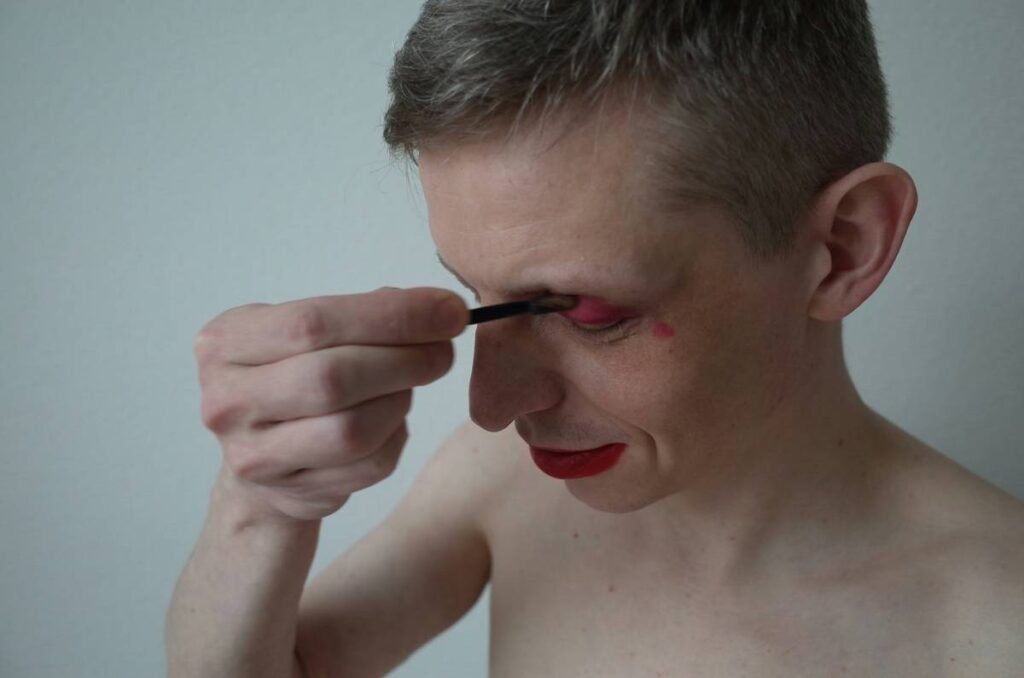
You spend hours sculpting, layering, and coloring—but on camera or under stage lights, your “gory gash” reads like a melted Halloween store mask. Frustrating? Absolutely. Most tutorials skip the subtle physiology that sells realism. The fix isn’t more product—it’s smarter technique. SFX makeup for realistic wounds hinges on anatomy, not just artistry.
Why Your Fake Wounds Still Look Fake
Too many creators treat wounds like stickers—flat, uniform, and devoid of biological logic. Skin doesn’t tear cleanly. Blood doesn’t clot in neon red pools. And bruising? It’s never just purple.
Here’s the reality: real trauma involves layers—epidermis, dermis, subcutaneous fat, muscle—and each reacts differently. Ignore that hierarchy, and you get cartoon carnage. Not convincing carnage.
SFX Makeup for Realistic Wounds: A Step-by-Step Breakdown
Map the Anatomy First
Before applying a drop of gelatin, study reference photos of actual lacerations. Note how skin puckers at wound edges, how capillaries rupture in feathered patterns—not solid blobs. Sketch lightly with an alcohol-soluble marker.
Build Depth with Stippling, Not Smearing
Ditch the sponge. Use a dry stipple brush to layer liquid latex or silicone in thin, irregular coats. Short, jabbing motions mimic fibrin mesh—the sticky web that forms during real clotting. Let each layer tack-dry before adding the next.
Color Like a Hematologist
Fresh wounds aren’t red—they’re crimson-to-burgundy with hints of yellow if older than 12 hours. Mix your base with a touch of green (yes, green) to mute oversaturated tones. Add oxidized blood specks using a toothbrush flick technique.
| Material | Best For | Cost (USD) | Realism Score (1–10) |
|---|---|---|---|
| Gelatin | Quick gashes, temporary use | $5–$10 | 5 |
| Pros-Aide + Tissue Paper | Deep tissue simulation, adhesion | $15–$25 | 8 |
| Medical-grade Silicone (Platinum Cure) | Film/TV prosthetics, sweat-proof wear | $40–$80 | 9.5 |
The Industry Secret No One Talks About
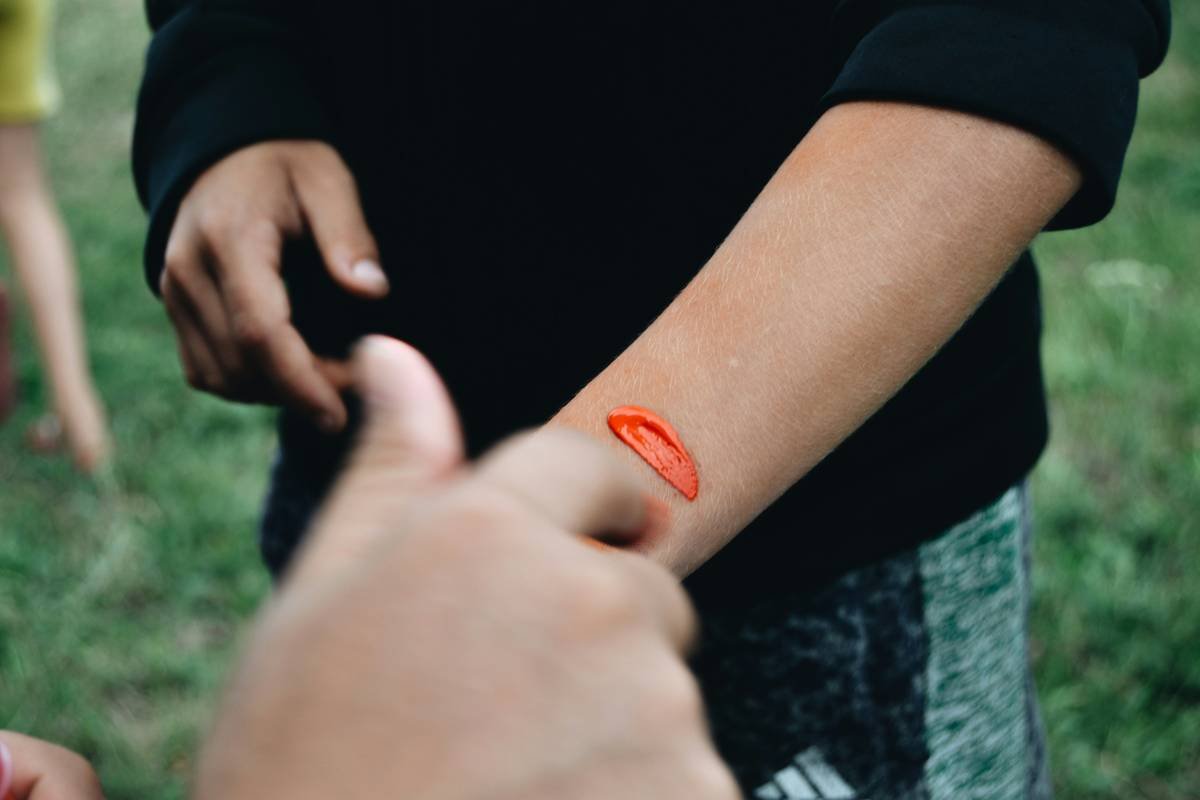
Top-tier effects artists don’t just build wounds—they age them in real time. Apply glycerin droplets along wound edges 15 minutes before shoot time. As it absorbs ambient moisture, it mimics serous exudate: that slightly shiny, sticky fluid real injuries weep. And here’s the kicker—lightly dust translucent powder over clotted areas only. This creates micro-contrast between wet (active) and dry (healing) zones. The math is simple: biology beats beauty every time.

FAQ
How long does SFX makeup for realistic wounds last?
With medical adhesive and setting spray, silicone-based applications can last 8–12 hours—even under hot lights or light rain. Gelatin washes off in minutes.
Can I use household items for realistic wounds?
Tissue paper, corn syrup, and food coloring work in a pinch—but they lack structural integrity and oxidize unnaturally fast. Fine for rehearsals. Never for final takes.
Do I need special lighting to sell the effect?
No. If your wound reads under flat LED panel lighting—common on sets—it’ll read anywhere. Avoid relying on dramatic shadows to “hide” flaws.