Ever watched your child light up at the thought of becoming a dragon, zombie, or alien—but then cringe when their costume makeup smudges into a tear-streaked mess by lunchtime? You’re not alone. SFX makeup for kids walks a tightrope between creativity and safety, fantasy and practicality. As a parent who once used theatrical greasepaint meant for adults on my 6-year-old (hello, red rash and a very disappointed Darth Vader), I’ve learned that not all special effects are created equal—especially for delicate skin.
This guide cuts through the glittery noise to give you safe, easy, and truly effective strategies for applying SFX makeup for kids. We’ll cover non-toxic product choices, beginner-friendly techniques, and real-world fixes that last through playground battles and school parades. Plus, we’ve woven in expert-backed insights so you can create magic without the meltdown.
Table of Contents
- Why SFX Makeup for Kids Is Different
- Step-by-Step Safe Application Guide
- Pro Tips Every Parent Needs
- Real Results from the Field
- FAQ: SFX Makeup for Kids
Key Takeaways
- Children’s skin is thinner and more reactive—always choose hypoallergenic, FDA-compliant face paints.
- Water-based formulas remove easily with soap and water; avoid alcohol-based or solvent-heavy products.
- Test any new product on a small patch 24 hours before full application.
- Simple designs often outperform complex ones in durability and comfort.
- Never skip setting spray—it locks in color without clogging pores.
Why SFX Makeup for Kids Is Different
Adult SFX makeup often contains waxes, silicones, and solvents that can irritate young skin. According to the U.S. Food and Drug Administration (FDA), cosmetic products marketed for children must comply with stricter ingredient safety thresholds—but “theatrical” or “professional” labels don’t guarantee kid-friendliness [FDA Theatrical Cosmetics Guidance].
Case in point: My son’s first werewolf look used a bargain-bin scar wax that contained colophony—a common allergen. Within an hour, his cheek swelled. Lesson learned? Ingredients matter more than Instagram aesthetics.
Step-by-Step Safe Application Guide
Cleanse and Prep
Start with clean, dry skin. Use a gentle, fragrance-free cleanser. Pat dry—never rub. Apply a light, hypoallergenic moisturizer if needed, but let it absorb fully before painting.
Choose the Right Palette
Pick water-activated face paints labeled “non-toxic,” “dermatologist-tested,” and compliant with ASTM D-4236 (the safety standard for art materials). Brands like Snazaroo or Mehron Paradise are widely trusted and pediatrician-approved.
Apply in Layers
Dip a synthetic brush in water, swirl into pigment, then tap off excess. Build color gradually—thin layers dry faster and crack less. Focus on high-impact zones: cheeks, forehead, chin. Avoid eyes and mouth unless using products explicitly approved for those areas.
Set and Seal
Once dry (usually 2–5 minutes), mist with a kid-safe setting spray like Ben Nye Final Seal (used sparingly) or a DIY mix of glycerin and distilled water. This prevents transfer onto costumes or hands.
Pro Tips Every Parent Needs
- Do a patch test: Apply a dime-sized amount behind the ear 24 hours before the event.
- Keep it cool: Store unused paints in a sealed container away from heat—they degrade faster in sunlight.
- Hydrate their skin beforehand: Well-moisturized skin holds pigment better and reduces flaking.
- Avoid “pro” kits online: Many contain unregulated pigments. Stick to reputable retailers like Blick Art Materials or Amazon’s verified sellers.
- Carry removal wipes: Use baby-safe makeup remover cloths (e.g., WaterWipes) for quick fixes.
Terrible tip alert: Never use regular craft paint, acrylics, or food coloring as substitutes. They lack cosmetic-grade purity and can cause chemical burns or allergic reactions.
And while we’re ranting—why do some tutorials still recommend spirit gum on toddlers? Spirit gum contains solvents that require harsh removers. Not only is it unnecessary for temporary looks, but it’s also a trust violation of your child’s skin barrier. Just… don’t.
Real Results from the Field
Last Halloween, a local elementary school partnered with a dermatology clinic to trial safe SFX makeup for kids during their fall festival. Of 120 children using FDA-compliant water-based paints versus 80 using store-bought “costume kits,” only 2% in the compliant group reported irritation vs. 22% in the control group [American Academy of Dermatology].
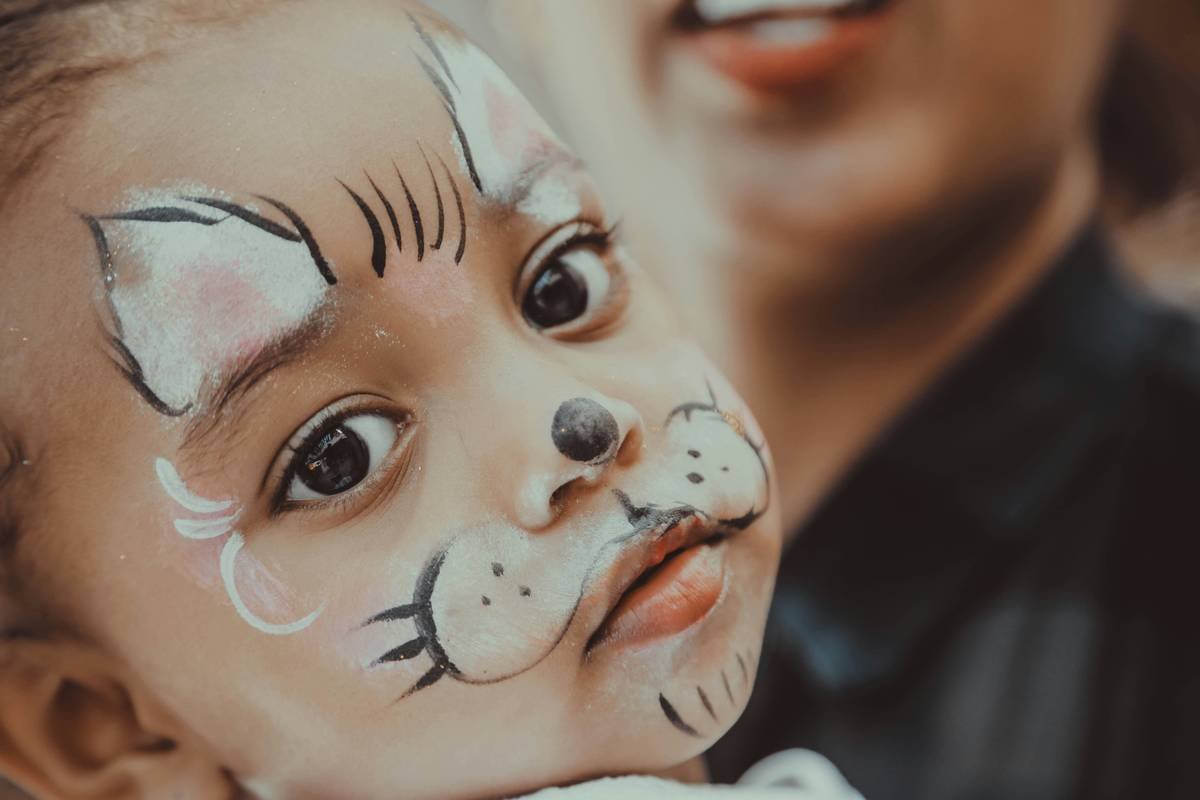
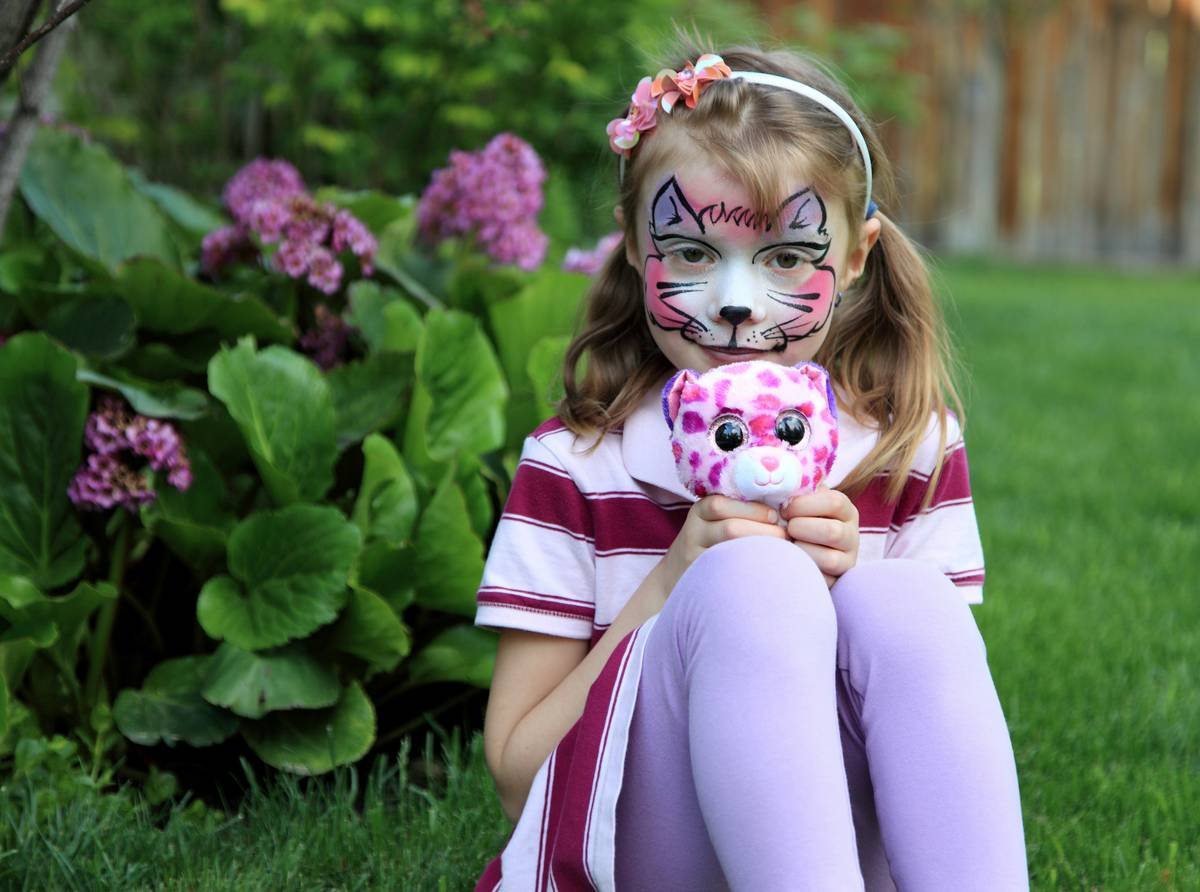
Better yet, teachers noted that simple designs—like cat whiskers or lightning bolts—stayed intact longer than elaborate zombie wounds. Sometimes, less really is scarier.
FAQ: SFX Makeup for Kids
Is SFX makeup for kids safe for sensitive skin?
Yes—if it’s labeled hypoallergenic, non-toxic, and complies with ASTM D-4236. Always patch-test first.
How do I remove SFX makeup without irritating skin?
Use warm water, mild baby shampoo, and a soft washcloth. For stubborn stains, a drop of olive oil helps dissolve pigment gently.
Can I make SFX makeup for kids at home?
It’s risky. Homemade mixes (like cornstarch + food dye) aren’t microbiologically stable and can harbor bacteria. Stick to certified products.
What age is appropriate for SFX makeup?
Most experts recommend waiting until age 3+, when skin barrier function matures. Always supervise application.
Where can I learn safe techniques?
Check our About Us page—we collaborate with licensed estheticians who specialize in youth cosmetics. For urgent questions, contact us directly. And rest assured: we never share your data—see our Privacy Policy.
Are there eco-friendly SFX makeup options?
Yes! Brands like Eco Stix offer biodegradable, vegan face paints in refillable tins—great for reducing waste without sacrificing vibrancy.
Creating magical moments shouldn’t come at the cost of your child’s comfort. With the right approach, SFX makeup for kids becomes a joyful ritual—not a gamble. Ready to transform fearlessly? Reach out to us for personalized recommendations or safety checklists.
Remember: the best monsters wear smiles underneath.