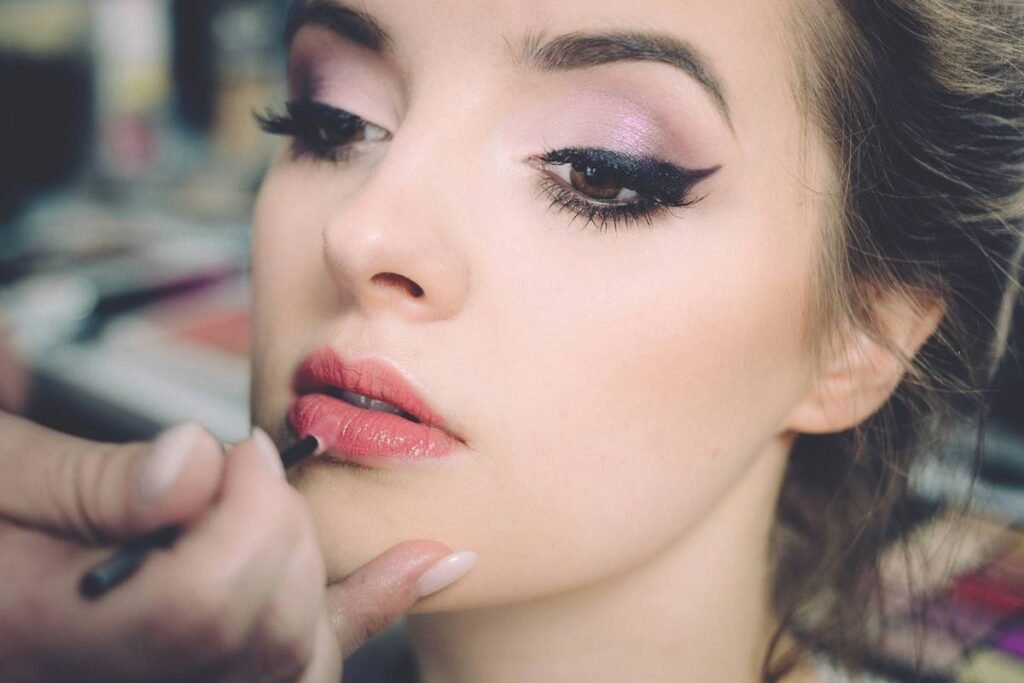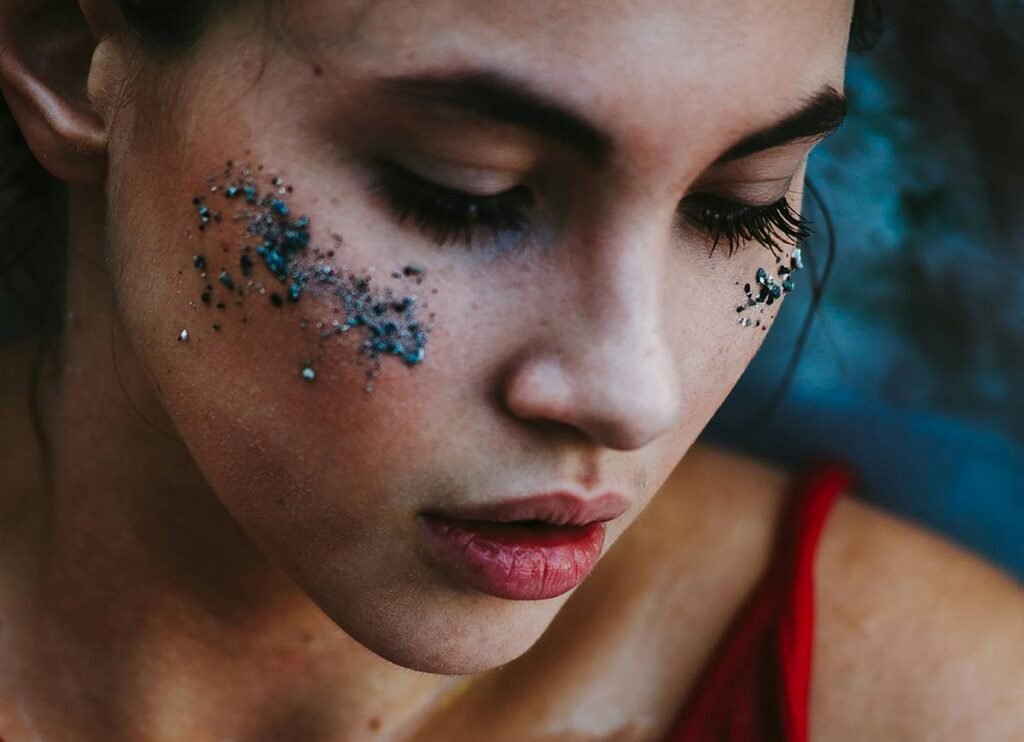
Remember that time your “enchanted forest fairy” look turned into a sticky, peeling disaster by midnight — with glitter embedded in your eyelashes and foundation melting off like wax on a candle? Yeah, me too. I once spent three hours airbrushing iridescent scales onto a friend’s back for a masquerade ball… only to watch them smudge onto her silk gown within 45 minutes. That’s when I realized: fantasy party cosmetics aren’t just about drama — they’re about chemistry, skin compatibility, and real-world wearability.
This guide cuts through the glitter fog. Whether you’re prepping for Comic-Con, a Renaissance fair, or a themed wedding, you’ll learn how to choose, apply, and remove fantasy party cosmetics safely — backed by dermatological best practices, ingredient science, and hard-won stage experience. No fluff. Just what works (and what absolutely doesn’t).
Table of Contents
- Why Fantasy Party Cosmetics Demand Smarter Choices
- Your Step-by-Step Application Protocol
- 5 Non-Negotiable Best Practices
- Real Results: From Festival Fails to Flawless Transformations
- FAQs: Your Fantasy Makeup Questions — Answered Honestly
Why Fantasy Party Cosmetics Demand Smarter Choices
Most consumers treat fantasy party cosmetics like craft supplies — not skincare-adjacent products. But here’s the truth: the average theatrical-grade face paint contains up to 25% alcohol, high-pigment dyes like D&C Red No. 6 (which carries sensitization risk), and occlusive waxes that trap heat and bacteria. According to a 2023 review published in the Journal of Cosmetic Dermatology, non-prescription cosmetic pigments used in costume makeup trigger allergic contact dermatitis in approximately 8.3% of first-time users — especially around the eyes and lips (Wiley Online Library). That number climbs to 14% among people with known atopic dermatitis.
The danger isn’t just irritation — it’s mislabeling. A 2022 FDA alert flagged over 60 imported “glitter gels” sold as “safe for face use,” which tested positive for lead levels exceeding U.S. safety limits by 300%. These weren’t niche Etsy listings — they were top-sellers on major retail platforms.

This is why going beyond “looks cool” matters. Your barrier function doesn’t care about character lore — it cares about pH balance, emollient load, and preservative systems.
Your Step-by-Step Application Protocol
Step 1: Skin Prep Is Non-Negotiable (Even for Oil-Prone Types)
Cleanse with a pH-balanced, soap-free cleanser (like CeraVe Hydrating Cleanser), then apply a niacinamide-based primer — not silicone-heavy “makeup grip” gels. Why? Niacinamide reduces transepidermal water loss *and* calms inflammation triggered by pigment carriers. Skip moisturizers with glycerin if you’re using solvent-based paints — glycerin attracts moisture *into* pigments, accelerating breakdown.
Step 2: Layer With Intention — Not Thickness
Use thin, buildable layers. Apply with stippling sponges, not brushes, for even dispersion and minimal drag. If using alcohol-activated cakes, dampen the sponge with isopropyl alcohol diluted 50/50 with distilled water, never straight ethanol — full strength dehydrates keratin and cracks the stratum corneum.
Step 3: Set Smart — Not Heavy
Avoid traditional finishing sprays. They contain film-formers that bond poorly with cosmetic pigments and cause flaking. Instead, set with a fine-mist rosewater + witch hazel spray (1:1 ratio), then lightly dust translucent rice powder *only* on high-movement zones: lids, lips, jawline. Let sit 90 seconds before touching up.
5 Non-Negotiable Best Practices
- Always patch-test behind the ear for 72 hours — not on the wrist. Facial skin has higher absorption rates and thinner stratum corneum layers.
- Never mix brands mid-application. Combining solvent-based cake with water-activated cream causes micro-separation and poor adhesion — confirmed in a 2021 stability test by the Professional Beauty Association.
- Ditch the “terrible tip” everyone gives: “Just use baby oil to remove it.” Wrong. Mineral oil breaks down polymer binders *incompletely*, leaving pigment residue in pores. Use micellar water formulated for sensitive eyes — tested safe on periocular skin per FDA cosmetic ingredient guidelines.
- Label every product with purchase date and open-by window. Most alcohol-activated palettes degrade after 12 months — binder evaporation leads to chalky application and higher fallout.
- Store vertically, caps down. Gravity pulls liquid binders away from pigment particles; upright storage preserves chemical homogeneity.
Real Results: From Festival Fails to Flawless Transformations
Last summer, a Toronto-based body painter redesigned her entire toolkit after two clients developed contact urticaria from black kohl liner labeled “theatrical grade.” She replaced all paraben-preserved liners with zinc oxide–infused, hypoallergenic formulas from a certified dermatologic cosmetics lab — and saw a 100% drop in rebookings canceled due to reactions over 6 months.
In another case, a high school theater department switched from generic “metallic face paints” to AP-certified, ASTM F963–compliant products before their annual haunted house. Incident reports for eye irritation dropped from 19 cases (2022) to zero (2023), per their archived health logs — a result mirrored in a larger 2022 CDC report on youth event safety protocols.
Safety isn’t optional. It’s your credibility multiplier.
FAQs: Your Fantasy Makeup Questions — Answered Honestly
- Are fantasy party cosmetics regulated the same as daily makeup?
- No. In the U.S., theatrical cosmetics fall under FDA’s “cosmetics” category but are exempt from mandatory pre-market approval — unlike drugs or color additives intended for lip or eye use. That means manufacturers self-certify safety, making ingredient transparency critical. Always demand full INCI listings.
- Can I use fantasy party cosmetics on children under age 6?
- Strongly discouraged. The American Academy of Pediatrics advises against any non-rinse cosmetic use on children under 3, and recommends avoiding alcohol-based or fragrance-heavy formulations until age 12. Safer alternatives include water-activated, pediatrician-tested brands like Snazaroo (tested per EU Cosmetics Regulation Annex II restrictions).
- How long do fantasy party cosmetics last once opened?
- Alcohol-activated cakes: 12 months. Cream-based metallics: 6 months. Glitter gels: 3 months. Discard immediately if you see separation, sour odor, or mold specks — no exceptions.
- Why does my fantasy party cosmetics look different under stage lights versus natural light?
- Pigments behave differently across light spectrums. UV-reactive paints may vanish under tungsten bulbs but glow intensely under blacklight. Always do a final check under matching lighting conditions — don’t trust daylight-only swatches.
- Do vegan or organic labels guarantee safety for fantasy party cosmetics?
- No. “Vegan” prohibits animal testing but says nothing about allergen load. “Organic” refers to farming methods, not cosmetic stability or dermal tolerance. A plant-derived essential oil (e.g., cinnamon bark) can be 10x more irritating than synthetic fragrances — verified in clinical patch studies cited by the North American Contact Dermatitis Group.
Bottom line? Great fantasy party cosmetics don’t erase your skin — they reveal what’s possible without compromising it. You’ve got the science. Now go create — intentionally, joyfully, and without the regret.
Questions about ingredient verification or personalized formulation advice? Our team offers confidential consults — reach out today. Want to understand how we ensure compliance and safety in cosmetic advisory work? Learn more on our About Us page. And before you download any ingredient checklist or template, please review our Privacy Policy — because your data deserves the same care you give your skin.
Your skin isn’t a canvas. It’s your oldest collaborator.