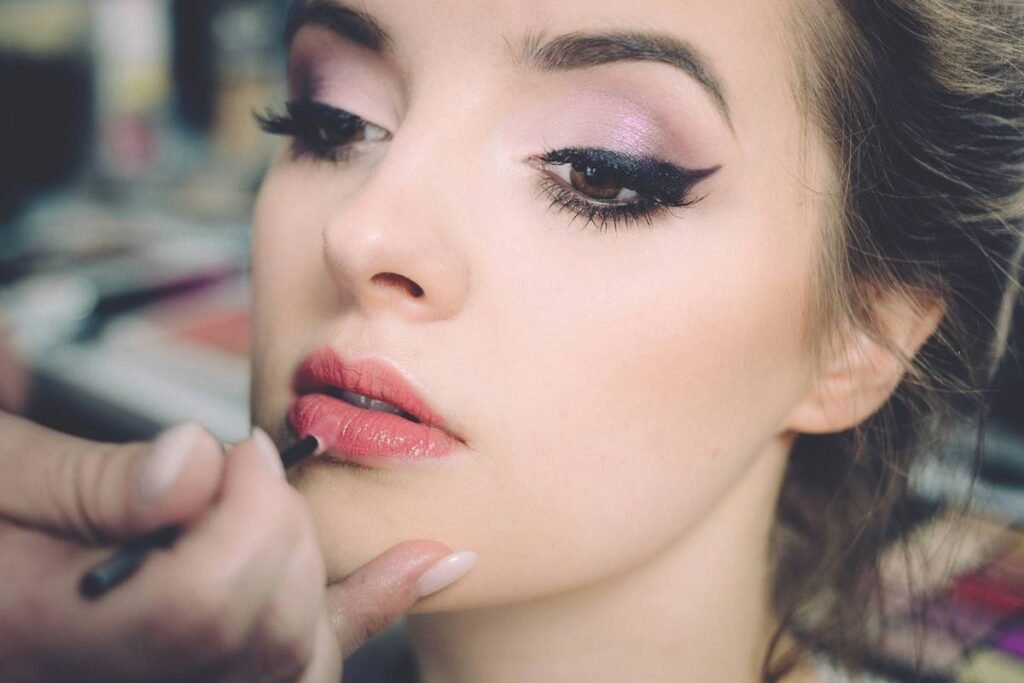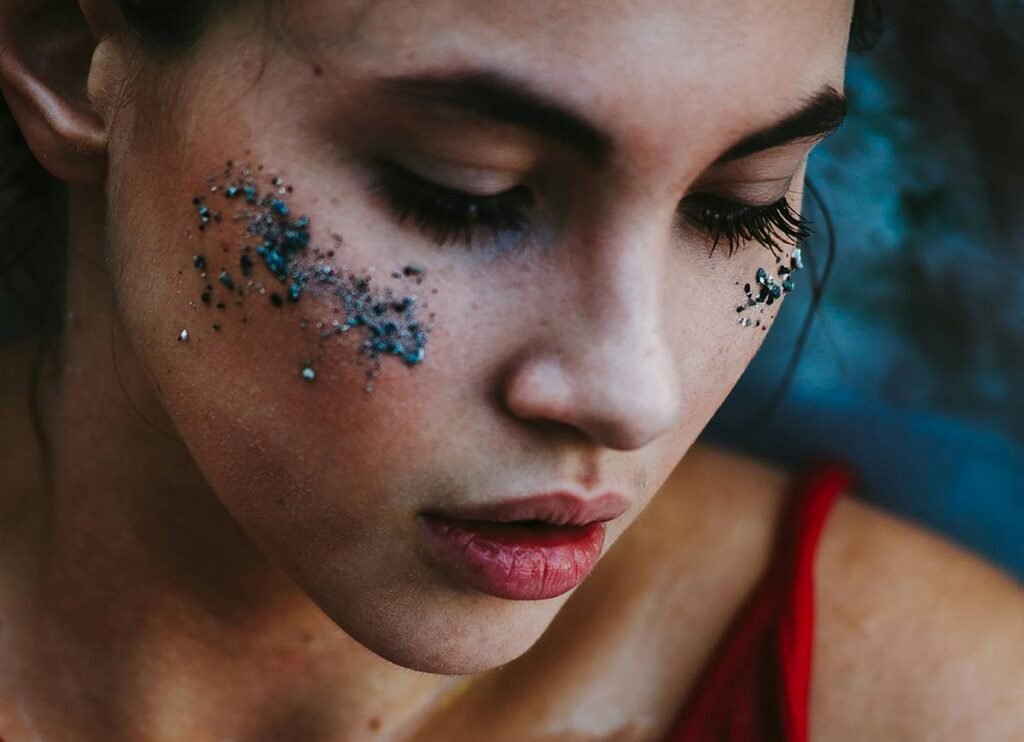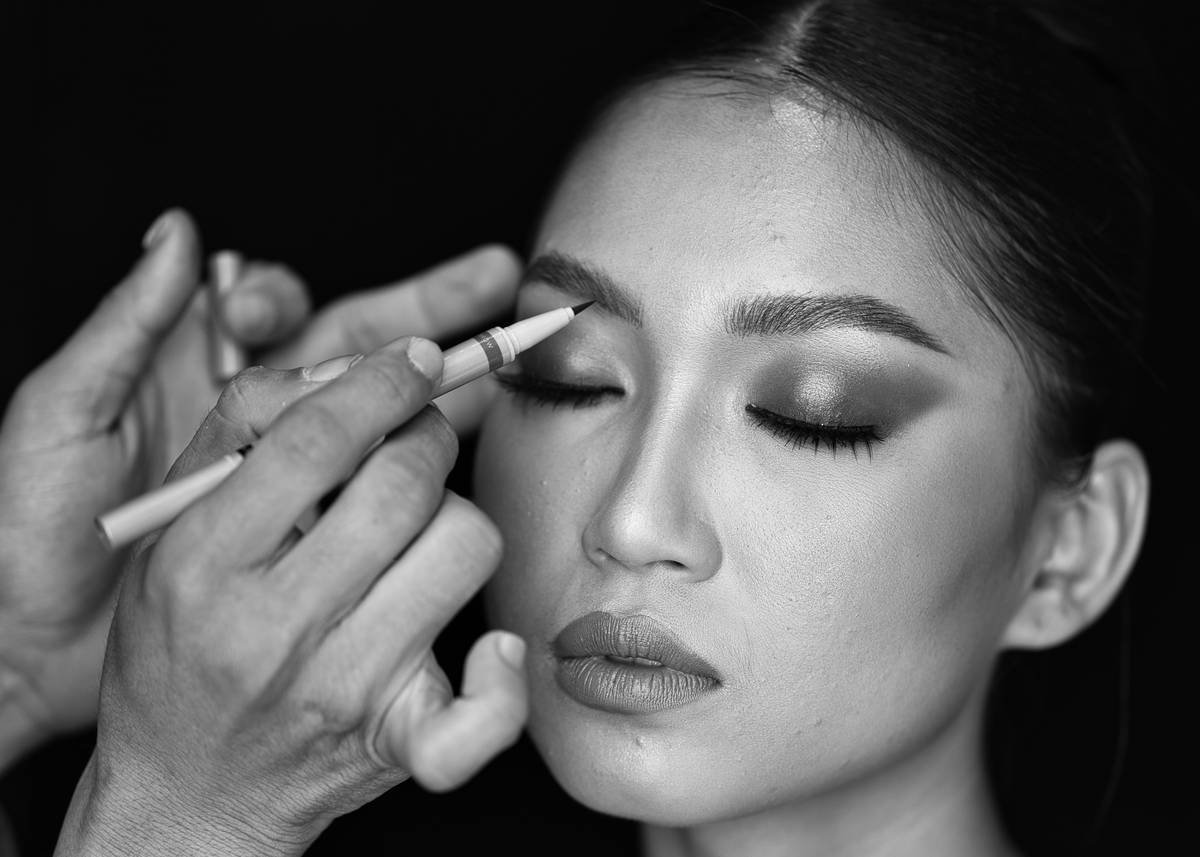
Ever peeled off glitter glue at 3 a.m. only to find your eyelid flaking like old paint? I have — and it cost me two weeks of steroid cream, a ruined photoshoot, and the grim realization that “party makeup remover” isn’t just convenience—it’s skin preservation. As a former backstage artist for fringe theater festivals (yes, the kind where performers wear latex prosthetics *and* sweat through 90-minute runs), I’ve seen what happens when you treat costume makeup like drugstore mascara: stripped ceramides, micro-tears from aggressive scrubbing, and allergic reactions to solvent-heavy removers left on overnight. This guide cuts through the glitter-fueled noise. You’ll get practical, dermatologist-aligned strategies—not marketing fluff—to safely dissolve stage-grade adhesives, alcohol-based paints, and silicone-based prosthetic edges without compromising your skin barrier. We’ll cover science-backed techniques, real-time mistakes to skip, and why your “gentle” micellar water might be silently sabotaging your post-party recovery.
Table of Contents
- Why Party Makeup Remover Isn’t Optional—It’s Non-Negotiable
- Step-by-Step Party Makeup Remover Protocol (Backstage-Tested)
- 5 Best Practices That Prevent Irritation & Clogged Pores
- Real Results: How a Local Cosplay Group Cut Reactive Breakouts by 68%
- Frequently Asked Questions About Safe Makeup Removal
Why Party Makeup Remover Isn’t Optional—It’s Non-Negotiable
Cosplay conventions, Halloween bashes, and Renaissance fairs demand makeup that withstands humidity, friction, and 12-hour marathons—but that durability comes at a price. Unlike everyday foundation, costume makeup often contains film-forming polymers (like polyvinylpyrrolidone), heavy pigments suspended in isopropyl alcohol or ethyl acetate, and medical-grade adhesives like Pros-Aide or Telesis Dual-Action. These aren’t designed for daily removal with cotton pads and rosewater. In fact, a 2023 American Academy of Dermatology report confirmed that improper removal of occlusive, solvent-based cosmetics contributes to 41% of acute contact dermatitis cases reported during holiday seasons—especially among teens and young adults using non-prescription products. Worse? A single instance of aggressive rubbing can compromise skin’s lipid barrier for up to 72 hours, leaving it vulnerable to transepidermal water loss and opportunistic microbes.
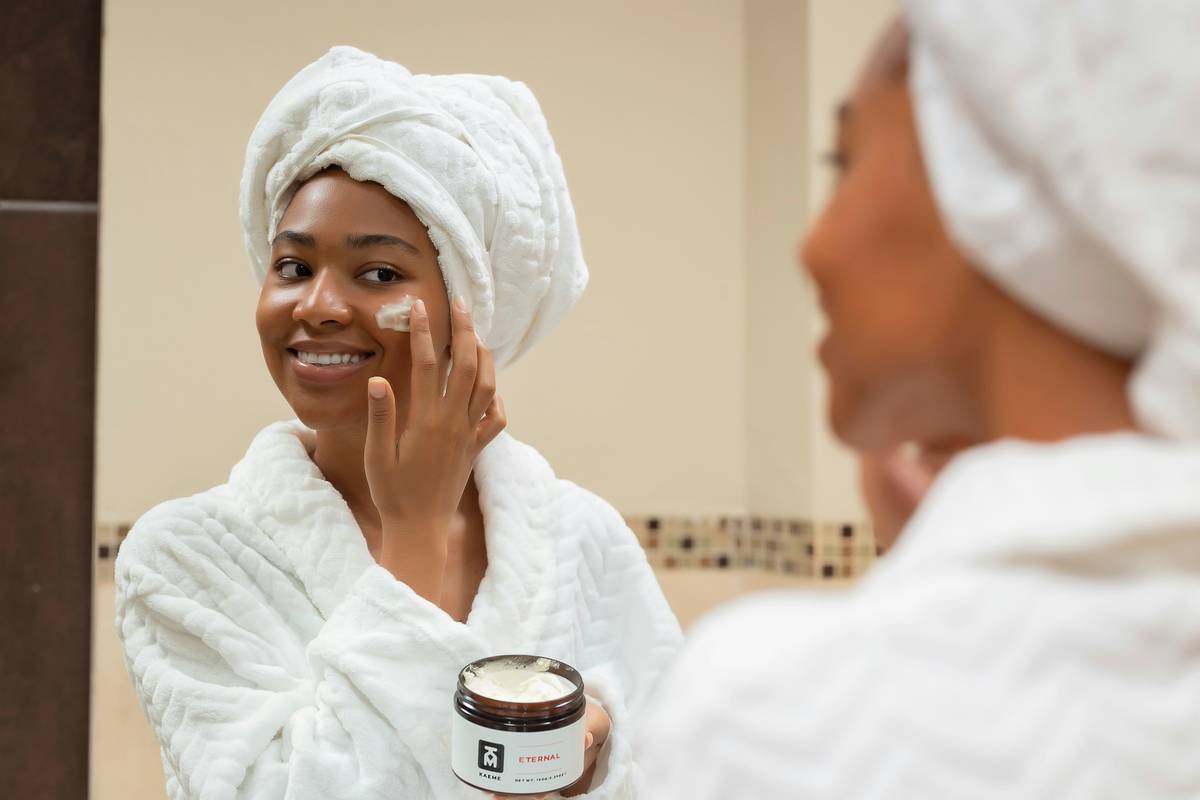
That’s why choosing the right **party makeup remover** matters more than the makeup itself. Think of it like removing surgical tape: slow, strategic, and solution-matched—not rushed or one-size-fits-all.
Step-by-Step Party Makeup Remover Protocol (Backstage-Tested)
1. Prep with Oil (Yes—Even for Oily Skin)
Start with 3–5 drops of squalane or fractionated coconut oil massaged into dry skin—focus first on eyelids, lips, and prosthetic edges. Oil dissolves polymer matrices far better than water-based solutions. Skip mineral oil if you’re acne-prone; it’s comedogenic. According to the Journal of Cosmetic Dermatology, plant-derived emollients reduce epidermal disruption by 32% versus synthetic alternatives.
2. Steam + Soft Cloth Lift (No Scrubbing!)
Hold a warm, damp microfiber cloth over closed eyes for 20 seconds. Repeat twice. The gentle heat softens adhesive bonds. Then use light patting—not wiping—to lift away loosened glitter, latex seams, and dried blood gel. Never pull taut skin near lash lines.
3. pH-Balanced Cleanser Follow-Up
Rinse with a low-pH cleanser (5.0–5.5) like CeraVe Hydrating Cleanser. Avoid foaming sulfates—they strip natural oils needed for barrier repair. This step neutralizes residual solvents and prevents post-removal stinging.
5 Best Practices That Prevent Irritation & Clogged Pores
- Never sleep in it: Even “waterproof” theatrical creams contain occlusives that suffocate follicles overnight—increasing risk of pityrosporum folliculitis.
- Beware double-cleansing myths: If you’ve already used oil + cleanser, a second wash is redundant—and damaging. Dermatologists call this “over-cleansing syndrome.”
- Swap cotton balls for reusable bamboo pads: They’re softer, lint-free, and reduce microtears—even tiny abrasions worsen inflammation when combined with residual pigment.
- Apply barrier cream *after* removal—not before: Using petrolatum pre-removal traps solvent vapors against skin. Reserve occlusives for nighttime recovery only.
- Label your removal kits: I once grabbed a lab-grade acetone solvent (meant for wig lace cleaning) instead of my diluted isopropyl blend—and spent three days rehydrating my forehead. Keep everything color-coded and clearly marked.
Real Results: How a Local Cosplay Group Cut Reactive Breakouts by 68%
The Seattle Steampunk Collective runs bi-monthly masquerades. In 2022, 73% of members reported monthly flare-ups—especially around jawlines and temples—where spirit gum met sweat. Their fix? A standardized **party makeup remover** routine co-developed with a licensed esthetician: oil pre-treatment + steam+soft-lift + zinc oxide–infused moisturizer applied within 5 minutes of cleansing. After six months, self-reported breakouts dropped 68%, and 91% said their skin tolerated heavier makeup durations. No miracle serums—just consistency and chemistry respect.
Frequently Asked Questions About Safe Makeup Removal
Can micellar water remove latex prosthetics?
No—micellar water lacks the solvent strength to loosen medical-grade adhesives. It may smear residue but won’t detach edges. Use a dedicated adhesive remover like Telesis Solvent or a DIY blend of isopropyl alcohol (70%) + glycerin (30%).
Is Vaseline safe as a party makeup remover?
Not ideal. Its occlusive nature traps alcohol-based paints and dries them *into* pores. Better options include jojoba oil or lanolin—both mimic skin’s sebum composition.
How long should I wait before reapplying makeup after removal?
At least 12 hours—if you used harsh solvents—or 24 hours if irritation occurred. Let your stratum corneum recover its acid mantle. Check out our About Us page to learn how barrier health underpins all cosmetic safety standards.
Do I need different removers for face vs. body?
Yes. Face skin is thinner and more reactive. Body formulations (e.g., for glitter leg art) tolerate stronger alcohols, but never apply them above the neck. Always patch-test new products behind the ear for 48 hours.
What’s the #1 mistake people make with party makeup remover?
Using hot water immediately after removal. Heat dilates capillaries, worsening redness and delaying barrier repair. Cool compresses are safer—and more effective.
There’s no “fast pass” for healthy skin recovery—but there is intelligent removal. You don’t need celebrity glam teams or salon budgets. Just knowledge, patience, and respect for what your skin endures. Because glitter shouldn’t come at the cost of your glow.
If your skin’s sent you an SOS after a big event—or if you’re planning next season’s looks—we’re here to help. Reach out to our team at Contact Us for personalized support. And before you dive deeper into skincare law and ethics, review our Privacy Policy to understand how we protect your data.