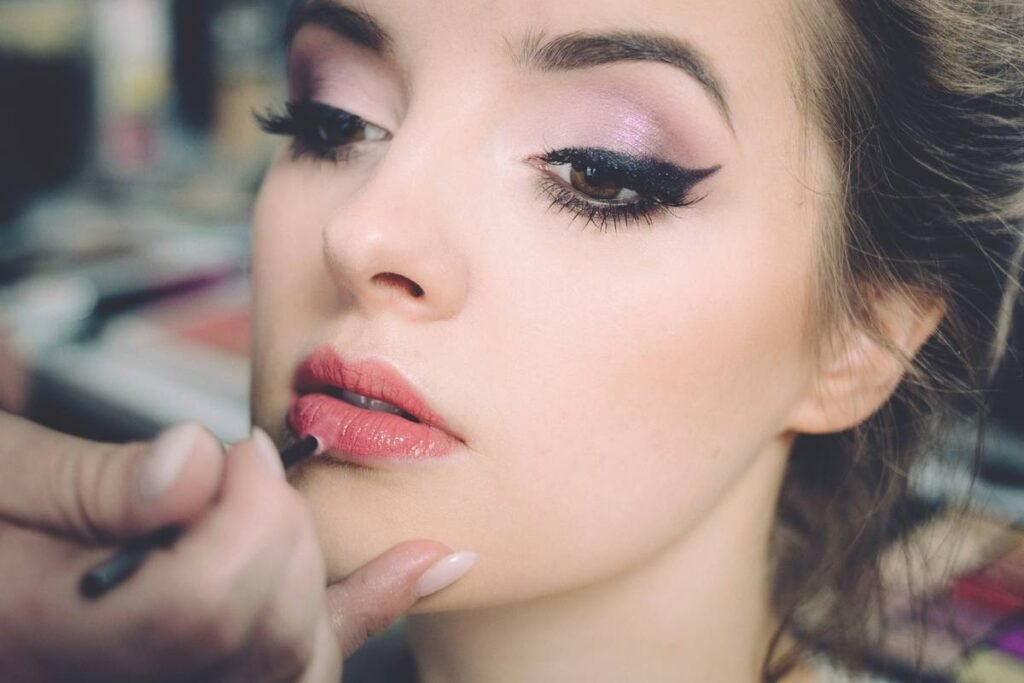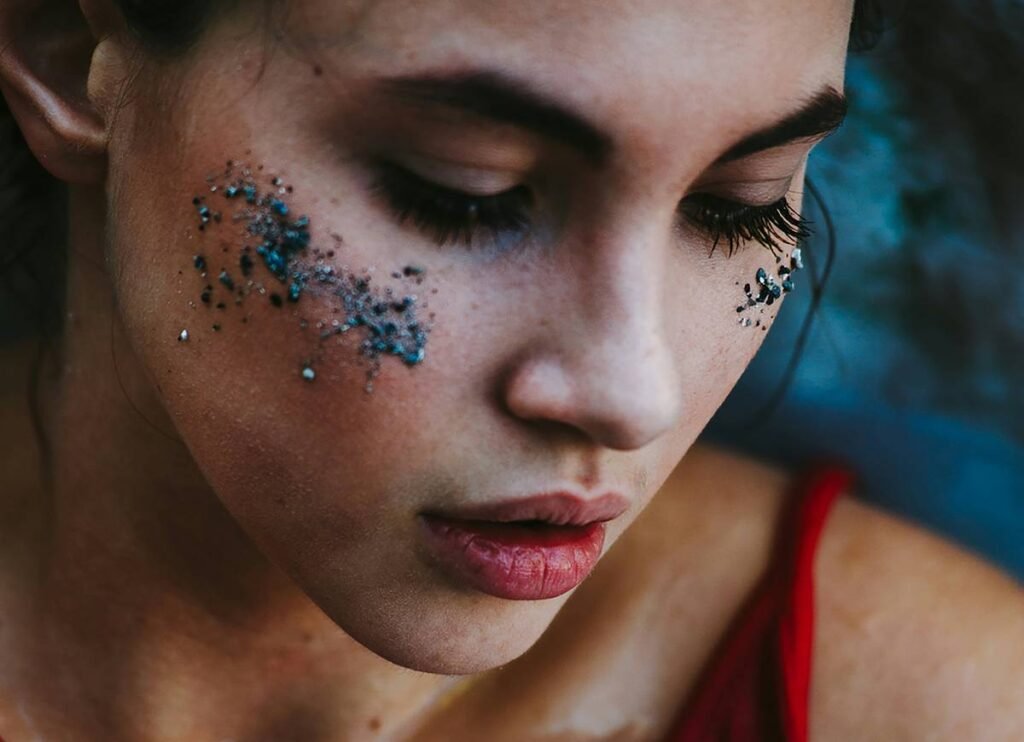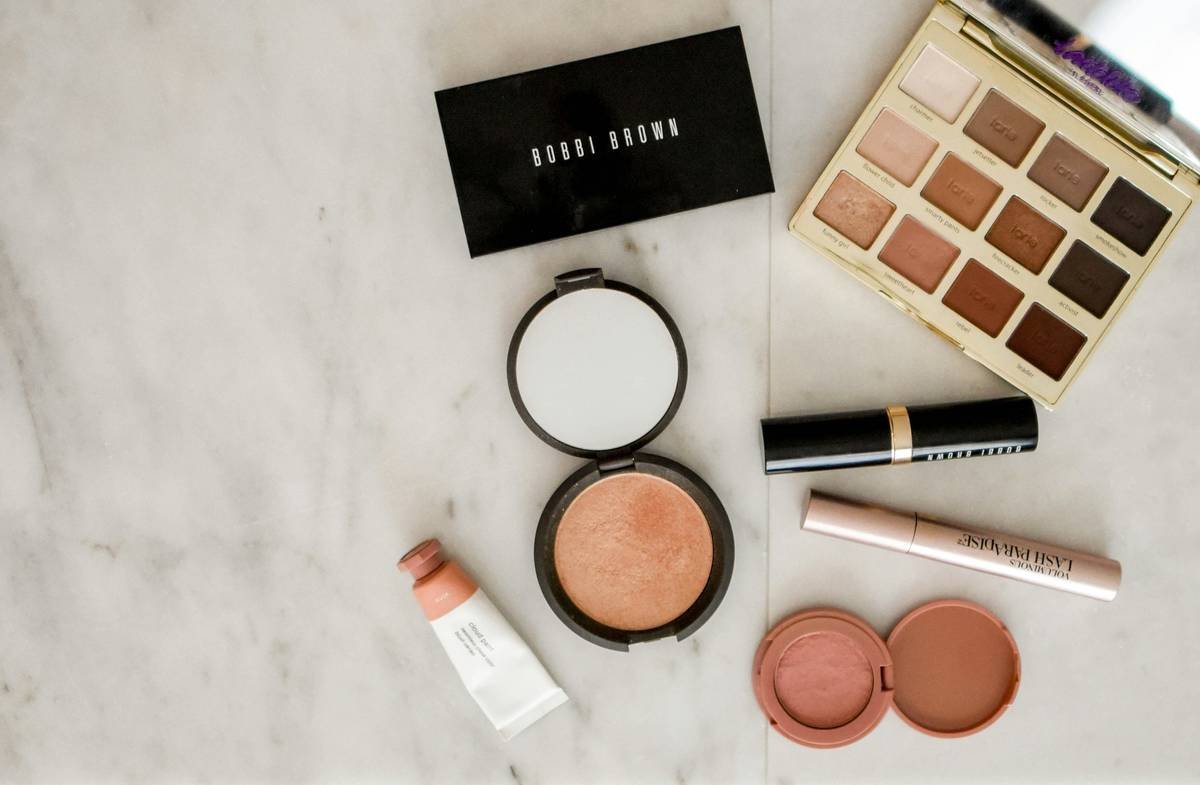
You just spent $40 on glitter eyeshadow, practiced your smoky wing for hours, and showed up to the Halloween bash looking like a melted crayon. Why? Because you used the wrong tools. Generic brushes smear pigment, shed bristles mid-stroke, and turn bold creative visions into muddy disasters. The fix isn’t more product—it’s smarter party makeup brushes.
Why Your Party Looks Fail (Hint: It’s Not Your Skill)
Most costume artists grab whatever brushes are lying around—a fluffy eyeshadow wand from their daily kit, maybe an old concealer brush with bent fibers. Big mistake. Party makeup demands intensity, layering, and adhesion under sweat, flash photography, and 8-hour wear. Standard brushes aren’t engineered for that.
They absorb too much product. They lack precision for graphic liner or scar detailing. And they often contaminate color palettes because they’re not cleaned properly between uses—which happens fast when you’re doing five different character looks in one night.
How to Choose and Use Party Makeup Brushes Like a Pro
Forget “more is better.” You only need six brushes—if they’re the right six.
Density Over Fluff: Firm Bristles Win Every Time
Soft, airy brushes? Great for blending natural tones. Terrible for packing neon pigment or drawing sharp contour lines on a zombie forehead. Go dense. Synthetic, tightly packed bristles hold more product and deposit it exactly where you want it—no diffusion, no guesswork.
Angled Is Non-Negotiable
An angled liner or brow brush does triple duty: liquid liner for cat eyes, cream contour for goblin cheekbones, and precise highlight along prosthetic edges. One tool, three critical functions. Skip the flat liners—they flop under pressure.
Clean Between Characters—Seriously
You’re not just switching colors; you’re switching *universes*. A vampire shouldn’t carry residue from your Day of the Dead sugar skull. Use 70% isopropyl alcohol on a microfiber cloth between uses—not water. Water swells wood handles and loosens glue.
| Brush Type | Best For | Avoid If… | Price Range (Quality) |
|---|---|---|---|
| Dense Synthetic Flat Shader | Packing glitter, bold base colors | You need soft blending | $8–$16 |
| Small Angled Liner (Firm) | Graphic details, scars, eyeliner | You’re applying loose powder | $6–$12 |
| Tapered Blending Fluff | Soft transitions on fantasy skin tones | You’re working with cream or glue-based products | $10–$20 |
| Dual-Ended Detailer | Teardrops, freckles, tiny runes | You need full-coverage application | $7–$15 |
The Industry Secret: Pros Don’t Buy “Costume” Brushes
Here’s what brands won’t admit: there’s no such thing as a “party-specific” brush engineered from scratch. What works for stage, film, and SFX makeup works for your werewolf transformation. The difference? Marketing labels—and markup.
Veteran MUAs raid theatrical supply stores or pro beauty warehouses, not party pop-up shops. They look for brushes labeled “SFX,” “cream-compatible,” or “high-pigment retention.” Same tools, half the price. And they replace them every 6–8 months—not when bristles fall out, but when performance dips by just 10%. Consistency beats nostalgia.
Think about it: would you paint a mural with a dollar-store brush? Then why trust your face—the ultimate canvas—to anything less?
Frequently Asked Questions
Can I use regular makeup brushes for party looks?
Technically yes—but expect poor pigment payoff, blending where you don’t want it, and faster wear-off. Party makeup brushes have denser, stiffer bristles built for intense color and long wear.
How many brushes do I really need for costume makeup?
Four to six: a flat shader, angled liner, small detailer, tapered blender, sponge-tipped applicator, and a clean spoolie for brows. Anything beyond that is luxury, not necessity.
Are synthetic brushes better than natural for party makeup?
Absolutely. Synthetic bristles don’t absorb cream or liquid products, deliver truer color payoff, and withstand frequent cleaning with alcohol—critical for multi-character events.