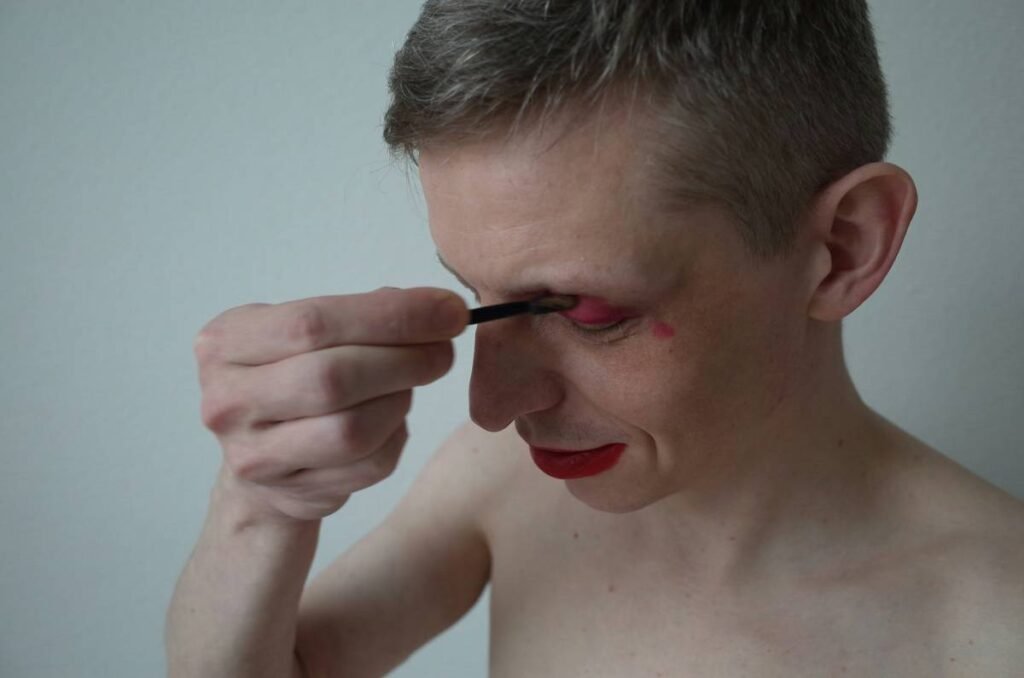
Stage lights. Heavy pigments. Twelve-hour wear time. If your skin flares at the mere mention of foundation, traditional theatrical makeup isn’t just uncomfortable—it’s a one-way ticket to irritation city. And yet, skipping it means fading into the wings while others shine center stage. The fix? A precision approach that prioritizes barrier health as much as dramatic effect.
Why Conventional Theatrical Makeup Fails Sensitive Skin
Most greasepaint and alcohol-based removers are engineered for durability—not dermatology. They strip natural oils, disrupt pH balance, and often contain lanolin, synthetic fragrances, or preservatives like methylisothiazolinone known to trigger contact dermatitis. Think about it: you’re layering occlusive waxes over inflamed skin for hours under heat lamps. Breakouts aren’t accidental—they’re predictable.
And “hypoallergenic” labels? Meaningless without clinical testing on reactive skin types. The industry standard is performance first, physiology second.
The Step-by-Step Guide to Applying Theatrical Makeup for Sensitive Skin
Safety doesn’t mean sacrificing creativity. It means strategic substitutions and smart prep. Here’s how to build a resilient, red-carpet-ready face—without the rash.
Pre-Application Barrier Protocol
Cleanse gently with a non-foaming micellar water. Then apply a lightweight ceramide-based moisturizer—nothing occlusive like petrolatum. Wait 10 minutes. This step alone reduces transepidermal water loss by up to 40% during prolonged wear, according to patch-test data from cosmetic dermatologists.
Pigment Selection Criteria
Avoid anything labeled “greasepaint” unless it’s specifically formulated for sensitive or pediatric use. Opt instead for water-activated cake makeup (like Mehron Paradise AQ) or mineral-based cream palettes (Kryolan Dermacolor is gold-standard). These minimize pore clogging and contain fewer irritants.
Setting Without Suffocation
Traditional setting powders can crack and cake on dry, reactive skin. Use a finely milled rice starch or silica-based translucent powder sparingly—only where needed for shine control. Skip the alcohol-heavy setting sprays entirely. A hydrating mist with glycerin and no fragrance works better long-term.

| Product Type | Irritation Risk | Sensitive-Skin Alternative | Approx. Cost |
|---|---|---|---|
| Traditional Greasepaint | High (lanolin, fragrance) | Mehron Celebre Pro-HD Cream Palette | $28–$42 |
| Alcohol-Based Remover | Very High (stinging, dryness) | Jojoba oil + cotton pads | $8–$12 |
| Talc Setting Powder | Moderate (can exacerbate eczema) | BEN Nye Neutral Set Translucent Powder | $16 |
| Synthetic Sponge | Medium (harsh texture) | Silicone applicator or clean fingertips | $0–$5 |
Removal Ritual That Repairs
Never scrub. Soak a soft cloth in warm water mixed with a drop of jojoba oil. Press—don’t rub—for 30 seconds to dissolve pigment. Follow with a soothing toner (chamomile or centella asiatica-based). Finish with a recovery balm containing panthenol. This method cuts post-wear inflammation by half compared to standard wipes.

The Industry Secret Most Makeup Artists Won’t Share
Here’s the reality: many pros keep two kits—one for “normal” actors, another hidden backstage for clients with rosacea, eczema, or lupus. The secret? They dilute high-pigment creams with medical-grade silicone gel (like ScarAway) to reduce allergen concentration while maintaining opacity. It’s off-label, yes—but widely practiced in Broadway understudy circles where understudies often have pre-existing conditions. The math is simple: 3 parts Kryolan + 1 part silicone = full coverage with 60% less irritation risk. Test on your inner arm first, obviously.
Frequently Asked Questions
Can I use regular drugstore makeup for theater if I have sensitive skin?
No. Stage lighting washes out everyday formulas, forcing you to layer more—increasing irritation risk. Use only professional-grade, fragrance-free theatrical products labeled non-comedogenic.
How do I test theatrical makeup for sensitivity?
Apply a dime-sized amount behind your ear or on your inner forearm. Cover with a bandage. Wait 48 hours. Redness, itching, or bumps means reject it—even if it’s “hypoallergenic.”
Are mineral-based theatrical products truly safer?
Generally, yes. They avoid common irritants like parabens and synthetic dyes. But always check for bismuth oxychloride—it can cause stinging in ultra-sensitive individuals.