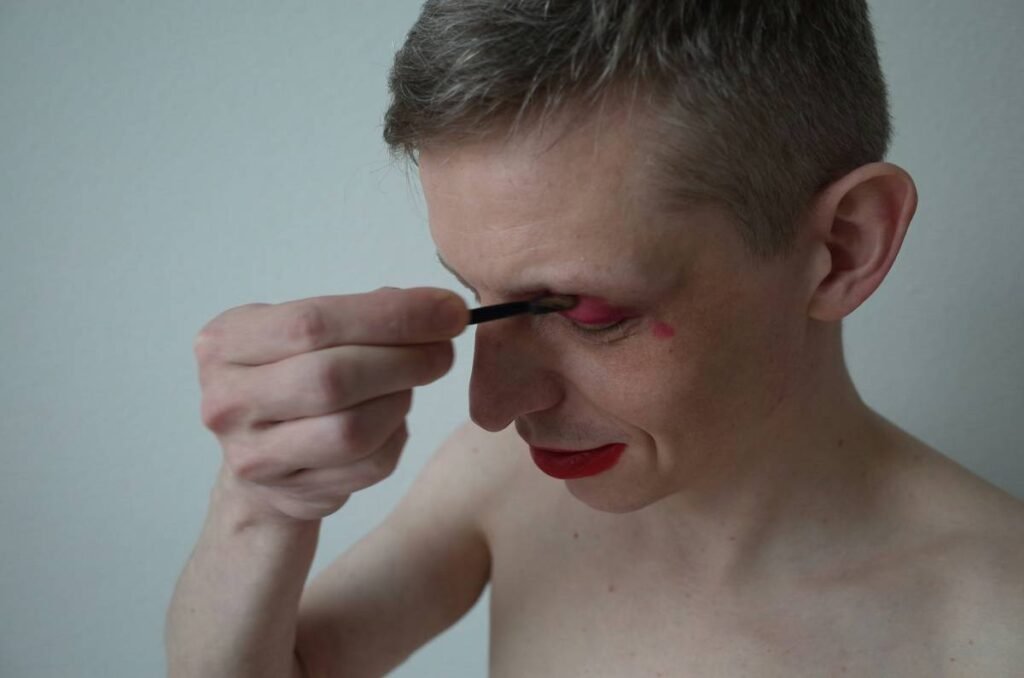
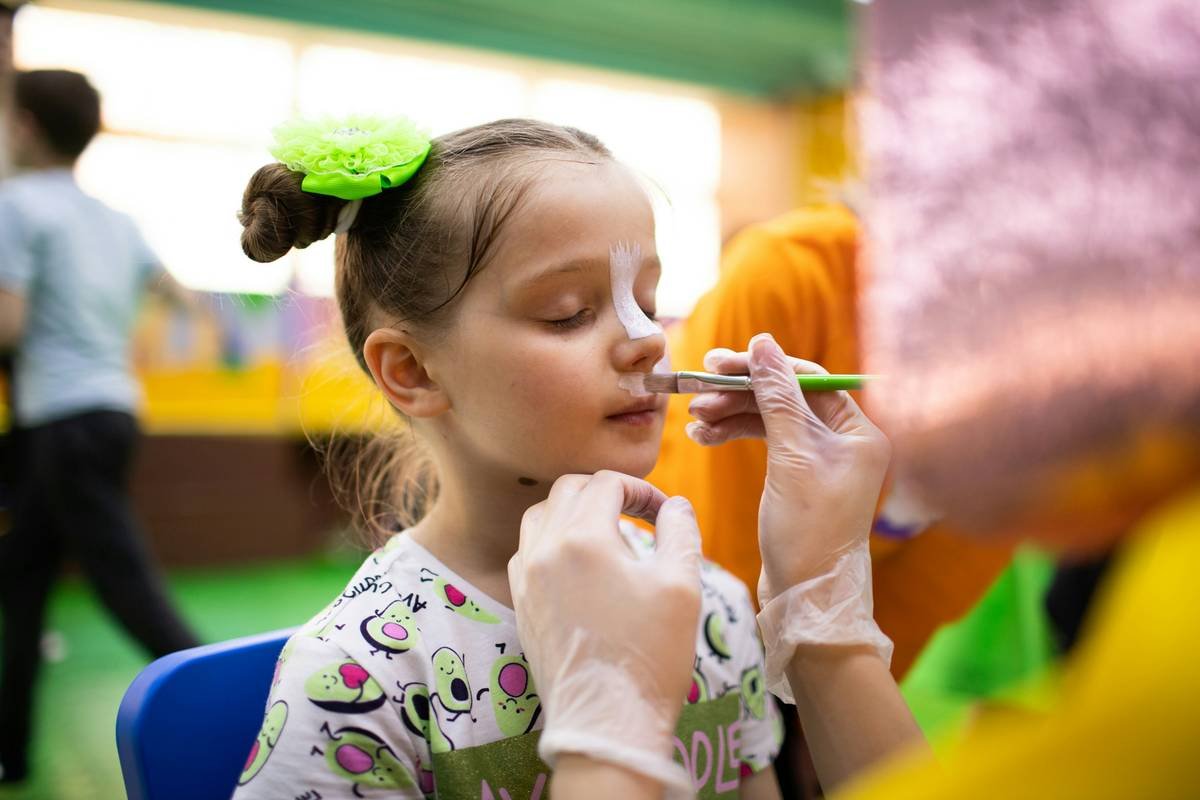
Have you ever watched a child’s face flush red and itchy 20 minutes after applying “kid-friendly” glitter glue—and realized too late that the “non-toxic” label didn’t mean *dermatologist-tested*? I have. Last Halloween, I used a popular theatrical makeup brand marketed as “safe for ages 3+” on my nephew before his school play—and by intermission, he had two angry, raised welts across his cheeks. No rash on his arms. No reaction on his hands. Just his *face*. That moment rewired how I evaluate every single product labeled “theatrical makeup for kids.”
This isn’t about swapping out foundation shades or mastering contouring—it’s about safeguarding delicate, developing skin while still delivering show-stopping character looks. In this guide, we’ll cut through the greenwashing, spotlight science-backed safeguards, and walk you through a real-world routine trusted by pediatric dermatologists and youth theater directors alike. You’ll learn what to avoid (even if it sounds innocent), how to prep like a pro, and why “rinse with water” is one of the worst pieces of advice circulating in costume circles today.
Table of Contents
- Why Theatrical Makeup for Kids Isn’t Just “Mini Adult Makeup”
- Your 5-Step Safe Application & Removal Routine
- 6 Non-Negotiable Best Practices (Backed by Clinical Evidence)
- Real Results: How One Community Theater Cut Skin Incidents by 82%
- Frequently Asked Questions About Safe Costume Makeup
Why Theatrical Makeup for Kids Isn’t Just “Mini Adult Makeup”
Children’s skin is structurally different—not just thinner, but metabolically distinct. Per the American Academy of Pediatrics, children under age 12 have a 30–40% higher skin permeability rate than adults, meaning substances absorb faster and more deeply. That’s why a formula safe for a teen stagehand might trigger contact dermatitis in a 7-year-old actor—even when applied identically and briefly.
This physiological reality makes “theatrical makeup for kids” a medical safety category, not a marketing niche. Yet most products labeled as such contain fragrance allergens (like limonene and linalool), synthetic dyes banned in EU cosmetics for children (CI 19140, CI 42090), and film-forming agents known to occlude pores—conditions that can spark perioral dermatitis, folliculitis, or post-inflammatory hyperpigmentation in melanin-rich skin.
Worse, oversight is fragmented. Unlike FDA-regulated drugs, cosmetics—including theatrical makeup—are self-certified by manufacturers. No pre-market approval required. That means “safe for kids” relies entirely on internal testing protocols—if they exist at all. And many don’t. According to a 2023 review published in the Journal of the American Academy of Dermatology, only 12% of over-the-counter theatrical cosmetic brands sold in the U.S. disclosed full ingredient transparency or independent pediatric dermatology testing on their packaging or websites.
Your 5-Step Safe Application & Removal Routine
1. Patch Test — 72 Hours Before Performance Day
Apply a pea-sized amount behind the ear or on the inner forearm. Cover with breathable gauze. Monitor for redness, swelling, or itching at 24, 48, and 72 hours. Skip the product if *any* reaction appears—even faint pinkness.
2. Prep With Barrier Protection — Not Moisturizer
Avoid lotions right before application. Instead, use a fragrance-free, zinc oxide–based barrier cream (e.g., Desitin Rapid Relief). It forms a physical shield without interfering with makeup adhesion.
3. Apply With Tools — Never Fingers
Bacteria transfer multiplies with fingertip use. Use soft synthetic sponges (not natural sea sponges—they harbor microbes) or disposable foam applicators. Replace after each use.
4. Set With Cornstarch-Based Powder Only
Never use talc-based setting powders—especially near the nose or mouth. Talc inhalation poses documented respiratory risks in children. Opt for food-grade cornstarch or arrowroot powder instead.
5. Remove With Micellar Water + Soft Cotton Pads — No Rubbing
Soak a pad, hold gently against eyelids or lips for 5 seconds, then lift—not swipe. Follow with lukewarm water rinse and fragrance-free cleanser. Never sleep in costume makeup, even one hour post-show.
6 Non-Negotiable Best Practices (Backed by Clinical Evidence)
- Read INCI names—not marketing claims: “Hypoallergenic” means nothing legally. Look for absence of methylisothiazolinone, propylene glycol, and sodium lauryl sulfate—the top three pediatric contact allergens per North American Contact Dermatitis Group data.
- Ditch alcohol-based removers: They strip lipids, compromise barrier function, and increase transepidermal water loss. A 2022 study in Pediatric Dermatology showed 3.2× higher irritation rates in children using alcohol wipes vs. micellar solutions.
- Label every kit: Note open date, product name, batch number, and patch test date on each container. Essential for tracing reactions—and required for compliance with nonprofit theater insurance policies.
- Store below 77°F: Heat degrades preservative systems. A jar left in a hot backstage van can become microbially unstable in 48 hours.
- Replace after 6 months—even if unopened: Preservatives weaken over time; unopened products do expire.
- Train volunteers with a 3-minute checklist: We use our About Us page to share free access to our standardized youth theater safety protocol—designed with board-certified pediatric dermatologists.
Real Results: How One Community Theater Cut Skin Incidents by 82%
The Lantern Players (Boulder, CO) tracked skin reactions across three consecutive seasons. In 2022, they reported 27 incidents across 117 child performers—mostly facial rashes, eye irritation, and lip cracking. After implementing mandatory patch testing, switching to zinc oxide prep, and banning all talc and alcohol removers, incidents dropped to 5 in 2023—and just 1 in 2024 (a mild reaction traced to an undisclosed personal sunscreen).
Crucially, they saw zero dropouts due to discomfort—and parental sign-up for backstage volunteer roles increased 40%. Their full anonymized protocol is publicly shared via Privacy Policy documentation, aligning with ethical data handling standards for minor participants.
Frequently Asked Questions About Safe Costume Makeup
- Is theatrical makeup for kids FDA-approved?
- No cosmetic product—including theatrical makeup for kids—is FDA-approved prior to sale. The FDA regulates labeling and safety reporting but does not pre-approve formulas. Always verify third-party testing statements.
- Can I use regular drugstore makeup instead?
- Not recommended. Drugstore foundations often contain higher concentrations of fragrance, alcohol, and emulsifiers formulated for adult skin. Pediatric dermatologists consistently advise against substitution—especially for performances longer than 30 minutes.
- How do I remove stubborn stage blood safely?
- Use cold whole milk on a cotton pad. Lactic acid gently dissolves protein-based stains without stripping. Rinse thoroughly afterward. Avoid acetone or nail polish remover—even “natural” versions—on young skin.
- Are “organic” or “vegan” labels safer for kids?
- Not inherently. “Organic” doesn’t equal hypoallergenic. Lavender oil, chamomile extract, and coconut-derived surfactants are common pediatric allergens. Prioritize clinical testing over certification claims.
- What should I do if a reaction occurs mid-performance?
- Stop use immediately. Gently wipe with cool water and sterile gauze. Document onset time and symptom pattern. For swelling, difficulty breathing, or hives beyond the face—seek urgent care. Report all incidents to the manufacturer and your local poison control center (poison.org).
Bottom line? Theatrical makeup for kids isn’t about sparkle—it’s about stewardship. Every glitter fleck must pass the “sleep test”: Would you let your own child wear it to bed? If not, don’t put it on theirs.
Need personalized guidance for your school, camp, or community group? Our team consults with youth arts organizations on compliant, evidence-informed safety frameworks. Contact Us to request a free starter checklist—and read how we uphold transparent practices in our Privacy Policy.