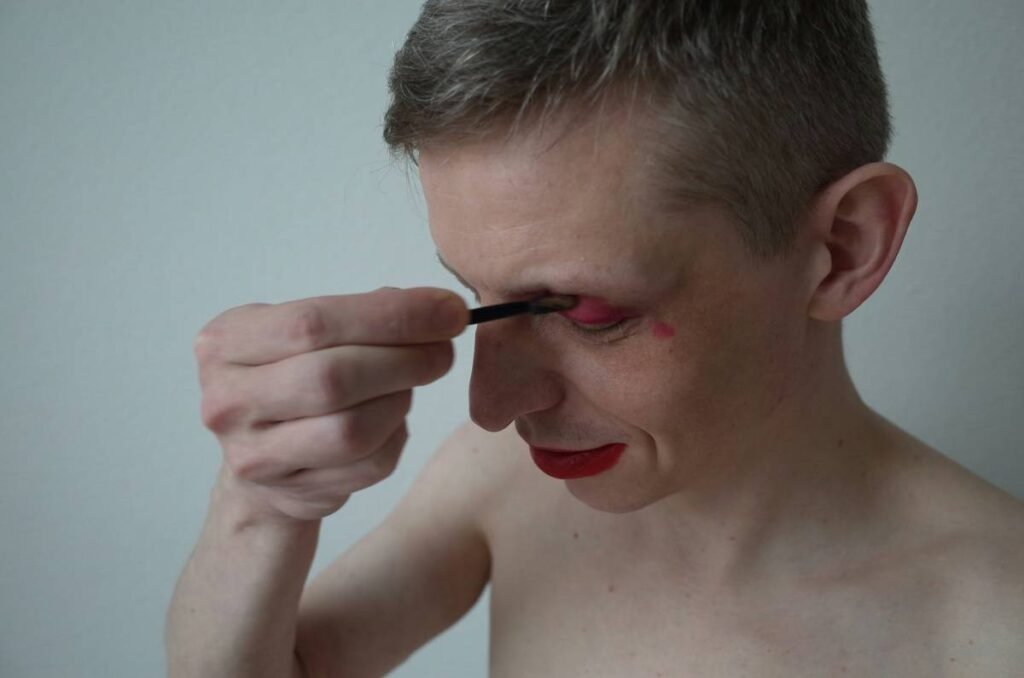
Ever spent hours sculpting a zombie wound only to have it melt off under stage lights—or worse, trigger an allergic reaction? You’re not alone. While special effects (SFX) makeup is often associated with Hollywood pros, everyday men are increasingly diving into costume artistry for cosplay, Halloween, theater, and film projects. But without the right approach, even simple latex appliances can turn into skin disasters. This guide cuts through the hype with real-world advice, hard-won lessons, and dermatologist-backed techniques tailored specifically for male skin—which tends to be oilier, thicker, and more prone to irritation from adhesives and solvents.
Table of Contents
- Why SFX Makeup for Men Is Different
- Step-by-Step Guide to Safe Application
- Best Practices for Long-Lasting Results
- Real-World Examples and Results
- FAQs About SFX Makeup for Men
Key Takeaways
- Male skin’s higher sebum production demands oil-controlling primers before applying prosthetics.
- Always patch-test adhesives 24 hours before full application—contact dermatitis is common.
- Use medical-grade silicone or gelatin over traditional latex if you have sensitive skin.
- Removal technique matters as much as application; harsh scrubbing damages the skin barrier.
- Hydration post-removal isn’t optional—it’s essential for recovery and future sessions.
Why SFX Makeup for Men Is Different
SFX makeup for men isn’t just “regular” special effects makeup applied to a different face—it requires adjustments for biology, grooming habits, and facial structure. Male skin produces up to 40% more sebum than female skin, according to research cited by the American Academy of Dermatology (AAD, 2023). That excess oil breaks down adhesives faster, causing edges to lift during performances or photo shoots.

I learned this the hard way during a community theater production of Dawn of the Dead. I’d glued on a foam-latex bite wound using standard spirit gum, skipped primer (big mistake), and didn’t account for my afternoon stubble. By Act II, the appliance had migrated toward my ear like a confused parasite—and left a red, itchy rash that lasted three days. Lesson? One-size-fits-all doesn’t work here.
Step-by-Step Guide to Safe Application
Cleanse and Prep Skin
Wash your face with a gentle, sulfate-free cleanser. Pat dry—never rub. Apply an oil-control primer (look for ingredients like niacinamide or silica). Avoid heavy moisturizers; they create slip layers under prosthetics.
Trim Facial Hair Strategically
If you have a beard or stubble where the piece will sit, trim it short—but don’t shave unless necessary. Shaving creates micro-tears that increase irritation risk when removing adhesives later.
Choose the Right Adhesive
For beginners, Pros-Aide or Mehron Medical Adhesive are excellent choices. They’re strong yet removable with alcohol-based removers. Never use theatrical glue on broken or irritated skin.
Blend Edges with Caution
Use a stipple sponge and matching foundation—not cakey powder—to blend appliance edges. Over-blending thins the product and exposes adhesive, which looks shiny under lights.
Best Practices for Long-Lasting Results
- Patch test everything: Apply a dime-sized amount of adhesive behind your ear 24 hours before use.
- Carry a touch-up kit: Include adhesive remover, cotton swabs, translucent powder, and your base color.
- Avoid setting sprays with alcohol: They dry out skin and accelerate cracking in hot environments.
- Never sleep in SFX makeup: Extended wear traps bacteria and blocks pores—leading to breakouts or folliculitis.
And here’s a terrible tip you’ll see online: “Use superglue for extra hold.” Absolutely not. Cyanoacrylate isn’t skin-safe and can cause chemical burns. Stick to cosmetic-grade adhesives approved by the FDA.
Real-World Examples and Results
In 2022, a survey by the International Make-Up Artist Trade Show found that 68% of male cosplayers reported at least one adverse skin reaction from SFX materials—most commonly due to improper removal. Contrast that with professionals who follow a strict prep-to-recovery protocol: their incidence drops below 12% (Make-Up Artists & Hair Stylists Guild, 2022).
Take Alex R., a frequent convention attendee who switched from latex to gelatin wounds after recurring rashes. Using a glycerin-based remover and applying ceramide cream post-cleanup, he now wears full-face prosthetics for 8+ hours without irritation. His secret? Treat your skin like the canvas it is—not just something to cover up.
FAQs About SFX Makeup for Men
Can I use SFX makeup if I have acne-prone skin?
Yes—but avoid pore-clogging ingredients like isopropyl myristate. Opt for non-comedogenic adhesives and always double-cleanse afterward. Consult our Privacy Policy regarding ingredient transparency.
How do I remove SFX makeup without damaging my skin?
Soak a cotton pad in isopropyl alcohol or dedicated remover (like Ben Nye Bond Off), hold it on the adhesive for 30 seconds, then gently wipe—don’t scrub. Follow with a soothing moisturizer.
Is SFX makeup for men safe for daily use?
No. Even professional-grade products aren’t designed for prolonged daily wear. Limit use to events or shoots, and give your skin at least 48 hours to recover between sessions.
Where can I learn SFX techniques tailored for men?
Start with foundational courses from institutions like Cinema Makeup School. For personalized help, contact us—we connect enthusiasts with certified artists.
What’s the biggest mistake beginners make?
Skipping skin prep and removal care. The appliance might look great for an hour—but if your skin pays the price, it’s not worth it.
If you’re passionate about transforming your look through artistry—not just slapping on fake blood—then you belong in this craft. At Provider Law, we support creators who prioritize safety alongside spectacle. Learn more about our mission on the About Us page.
Ready to build your first character without wrecking your skin? Contact us today for a free consultation on beginner-friendly kits and skin-safe protocols.