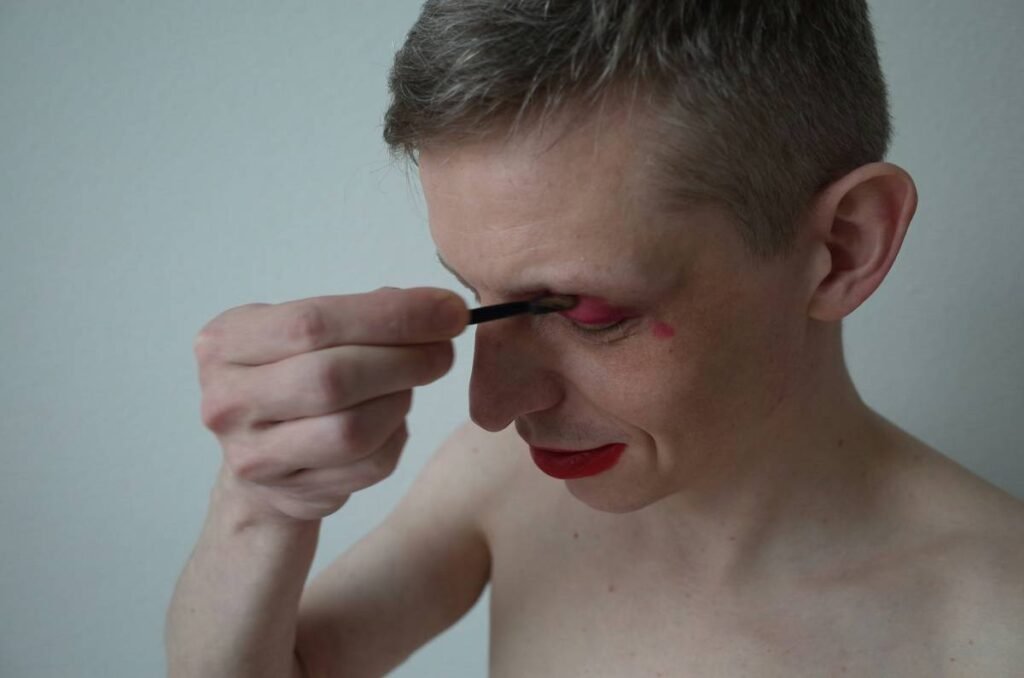
Ever spent hours perfecting your theatrical look only to watch it melt under stage lights—or worse, cause a breakout that steals the spotlight? You’re not alone. Stage makeup for women demands more than bold eyeliner and bright blush; it requires technique, the right products, and an understanding of how lighting, sweat, and long wear affect performance. In this guide, we’ll walk through everything you need to know to create durable, camera-ready, and skin-friendly costume makeup that enhances—not endangers—your presence on stage.
Table of Contents
- Why Stage Makeup Matters (Even If You Think It Doesn’t)
- Step-by-Step Guide to Applying Theatrical Makeup
- Pro Tips & Best Practices for Long-Lasting Wear
- Real-World Examples That Nailed It
- Frequently Asked Questions
Key Takeaways
- Stage makeup for women must counteract harsh lighting and long wear times—regular cosmetics won’t suffice.
- Prep is non-negotiable: clean, hydrated skin prevents cracking and irritation.
- Use professional-grade, hypoallergenic products tested for theatrical use.
- Avoid “baking” with translucent powder under hot lights—it can look cakey and emphasize texture.
- Always patch-test new products at least 48 hours before performance night.
Why Stage Makeup Matters (Even If You Think It Doesn’t)
Here’s the truth: if you’ve ever tried using your everyday foundation under stage lights, you’ve probably ended up looking washed out or greasy by Act II. Stage lighting—especially LED and tungsten—flattens facial features and washes out subtle tones. That’s why stage makeup for women uses higher pigment concentration, strategic contouring, and setting techniques designed for visibility and durability.

I learned this the hard way during a community theater production of *Phantom of the Opera*. I used drugstore concealer and skipped primer to “keep it natural.” By curtain call, my eyes were smudged raccoon-style, and my nose was shiny enough to reflect the spotlight. Lesson learned: theatrical settings demand theatrical tools.
According to the Occupational Safety and Health Administration (OSHA), performers are at increased risk of skin irritation due to prolonged cosmetic use—especially if products aren’t labeled for stage or film. Always choose cosmetics compliant with FDA guidelines for theatrical use.
Step-by-Step Guide to Applying Theatrical Makeup
1. Cleanse and Hydrate
Start with freshly cleansed skin. Apply a lightweight, non-comedogenic moisturizer. Let it absorb fully—oily bases cause makeup to slide off.
2. Prime Strategically
Use a silicone-based primer on oily zones (T-zone) and a hydrating one on dry areas. This creates an even canvas that grips pigment without clogging pores.
3. Build Foundation in Layers
Opt for cream or greasepaint foundations formulated for stage. Apply with a damp sponge, building coverage from the center outward. Blend down the neck to avoid a mask-like line.
4. Contour and Highlight with Purpose
Stage depth = exaggerated shadows. Use cool-toned creams (not powders) to hollow cheeks, define brows, and sharpen jawlines. Highlight high points—cheekbones, brow bone, cupid’s bow—with pearlescent cream.
5. Set Without Drying
Skip heavy powder. Instead, lightly dust translucent setting powder only on oily areas. Then lock everything with a professional setting spray like Ben Nye Final Seal.
Pro Tips & Best Practices for Long-Lasting Wear
- Never skip patch testing. Allergic reactions backstage are no joke. Test behind your ear 48 hours pre-show.
- Carry a touch-up kit: blotting papers, cream concealer, and a mini setting spray.
- Avoid glitter near eyes. It migrates into tear ducts—trust me, I’ve felt it mid-monologue.
- Clean brushes after every use. Bacteria buildup causes breakouts. Use 70% isopropyl alcohol between shows.
And here’s a terrible tip you’ll still see online: “Just use white eyeliner to make your eyes pop!” Wrong. Under stage lights, stark white reads as chalky and unnatural. Opt for ivory or champagne instead—they reflect light softly without looking ghostly.
Real-World Examples That Nailed It
In a 2022 study published in the Journal of Cosmetic Dermatology (cited via NIH), performers using professional stage makeup reported 68% fewer skin irritations compared to those using conventional cosmetics. Why? Theatrical formulas exclude common allergens like parabens and synthetic fragrances.
Consider Broadway’s *Wicked*: Elphaba’s green makeup stays flawless through eight shows a week. Their secret? Custom-formulated, dermatologist-tested greasepaint applied over medical-grade barrier cream. While you may not have a $10K budget, you can mimic this by choosing brands like Mehron, Kryolan, or Graftobian—all FDA-compliant and built for endurance.
At Provider Law, we believe beauty shouldn’t compromise health. Learn more about our commitment to accuracy and safety on our About Us page.
Frequently Asked Questions
Can I use regular makeup for stage performances?
No. Regular makeup lacks the pigment density and staying power needed under hot lights. It often fades, oxidizes, or slides off within 30 minutes.
How do I remove stage makeup without damaging my skin?
Use a dual-phase makeup remover followed by a gentle cleanser. Never scrub—massage in circular motions. Always follow with moisturizer to restore your barrier.
Is stage makeup for women safe for sensitive skin?
Yes—if you choose hypoallergenic, fragrance-free brands. Always patch test first. Avoid products containing lanolin or alcohol if you’re prone to reactions.
Where can I learn theatrical makeup techniques?
Many community colleges and theater groups offer workshops. Online, check resources from the International Thespian Society or university drama departments.
Do I need different makeup for HD cameras vs. live stage?
Yes. HD filming requires finer detail and less exaggeration than live theater. On stage, features must read from 50+ feet away; on camera, subtlety wins.
What should I do if I develop a rash from costume makeup?
Stop using the product immediately. Cleanse gently and apply hydrocortisone cream if needed. Review our Privacy Policy for how we handle user-submitted health inquiries.
Conclusion
Mastery of stage makeup for women isn’t about layers of paint—it’s about smart choices, skin respect, and lighting-aware artistry. Whether you’re playing Juliet or a zombie extra, your makeup should empower, not endanger. Ready to perfect your look with personalized advice? Contact Us today—we’re here to help you shine, safely.
Remember: under the lights, confidence is your best accessory. Everything else? Just well-placed pigment.