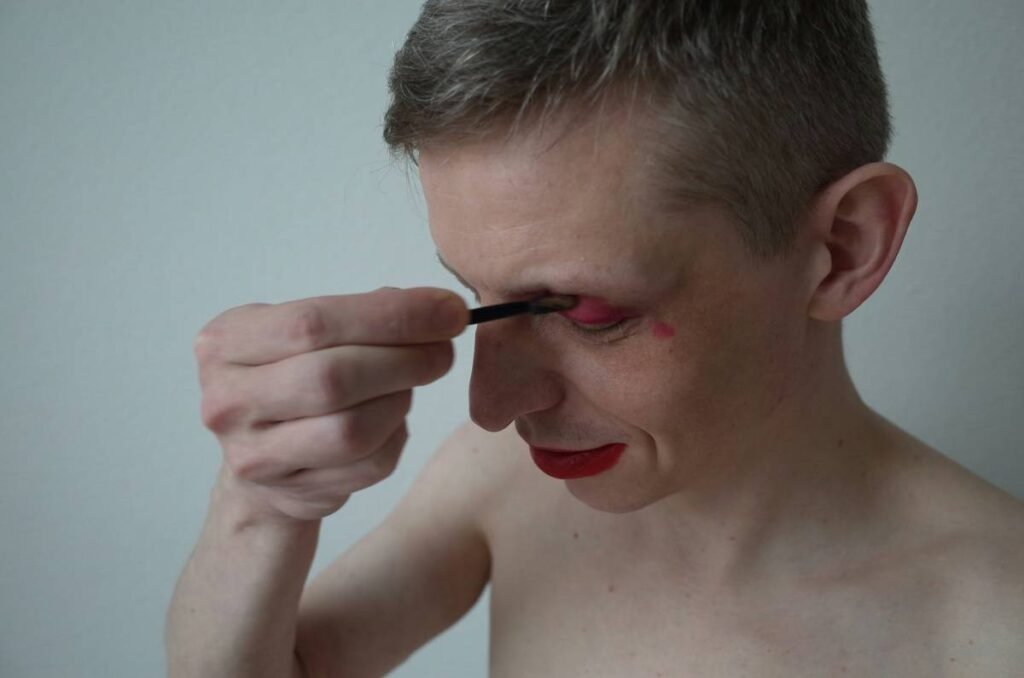
Ever spent hours crafting the perfect zombie bride look, only to have your prosthetics melt halfway through a Halloween party? You’re not alone. Special effects makeup for women blends artistry with endurance—but without the right approach, even the most creative vision can backfire. This guide cuts through the hype with battle-tested techniques, real-life lessons, and expert-backed practices so you can transform safely, effectively, and confidently.
Table of Contents
- Why Special Effects Makeup Matters in Beauty & Skincare
- Your Step-by-Step Guide to Flawless Application
- Top 5 Best Practices (Plus One Terrible Tip to Ignore)
- Real Results: Case Studies from Pros
- Frequently Asked Questions
Key Takeaways
- Skin prep is non-negotiable—skipping it risks irritation and poor adhesion.
- Use medical-grade adhesives approved by dermatologists for safety.
- Always patch-test new products 48 hours before full application.
- Less is often more: overloading layers causes cracking and smudging.
- Remove SFX makeup gently—scrubbing leads to micro-tears and sensitivity.
Why Special Effects Makeup Matters in Beauty & Skincare
Unlike everyday cosmetics, special effects makeup for women often involves latex, silicone, adhesives, and alcohol-based removers that can compromise the skin barrier. According to the American Academy of Dermatology, repeated exposure to harsh theatrical products without proper care can lead to contact dermatitis, especially for those with sensitive or acne-prone skin [source].
I learned this the hard way during a community theater production of “Carrie.” I applied gelatin scars directly onto bare skin (yes, gelatin—I was broke and desperate). By act two, my cheeks were red, swollen, and stinging. The audience saw horror; I felt it. That night taught me: SFX isn’t just about illusion—it’s skincare under pressure.
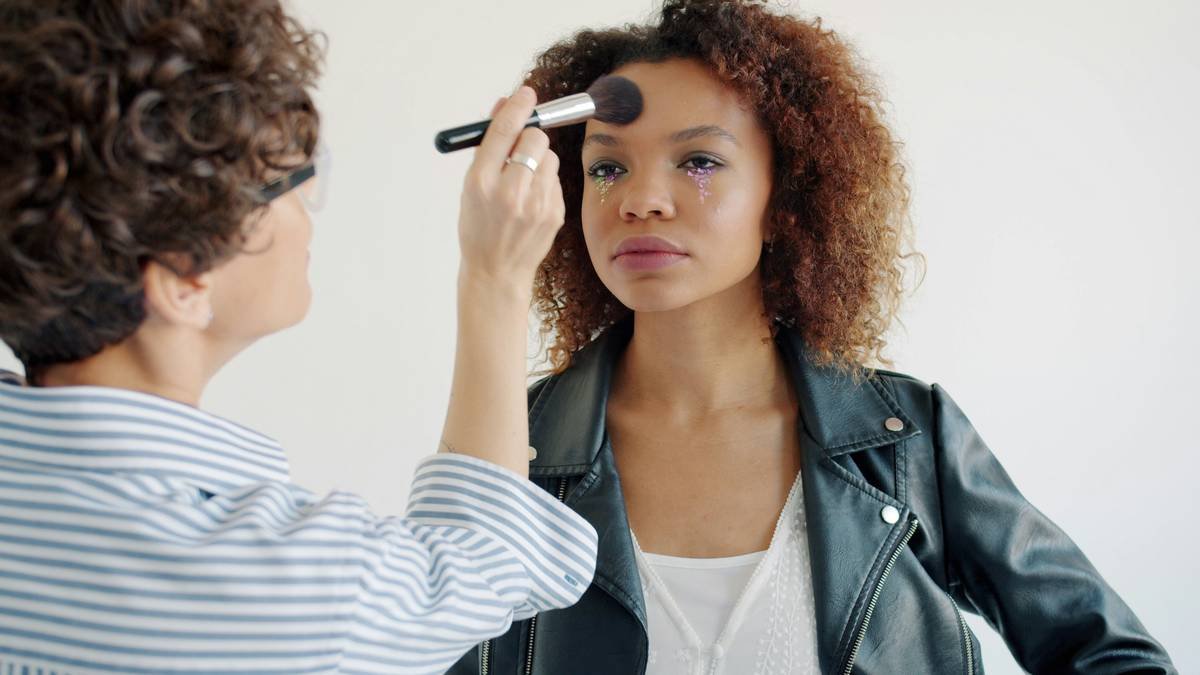
Your Step-by-Step Guide to Flawless Application
1. Prep Like a Pro
Cleanse thoroughly, then apply a light, non-comedogenic moisturizer. Wait 10 minutes before moving on. Never apply adhesives to dry, flaky skin—that’s how lifts happen.
2. Choose Skin-Safe Materials
Opt for FDA-compliant products. Brands like Mehron, Kryolan, and Ben Nye meet cosmetic safety standards. Avoid homemade recipes involving craft glue or food coloring—they aren’t tested for dermal use.
3. Apply in Thin Layers
Build texture gradually. Thick applications of liquid latex crack when you smile or speak. Use stipple sponges for organic textures like burns or scales.
4. Seal and Set
Lock everything with a professional setting spray (e.g., Ben Nye Final Seal). This repels sweat and minimizes transfer—critical for long-wear events.
5. Remove Gently
Use an oil-based remover designed for stage makeup (like Mehron Makeup Remover). Massage, don’t scrub. Follow with a soothing toner and ceramide-rich moisturizer.
Top 5 Best Practices (Plus One Terrible Tip to Ignore)
- Always do a patch test. Even “hypoallergenic” labels aren’t universal guarantees.
- Invest in quality brushes. Cheap bristles shed fibers into adhesives, ruining fine details.
- Work in natural light. LED vanity mirrors distort color balance—your vampire veins might look neon green IRL.
- Hydrate from within. Dehydrated skin flakes under heavy makeup. Drink water all day.
- Keep your kit clean. Bacteria thrives in damp sponges—replace them monthly.
And now, the terrible tip: “Just sleep in your makeup to save time tomorrow!” Nope. Leaving latex or spirit gum on overnight increases infection risk and accelerates skin aging. Don’t do it.
Real Results: Case Studies from Pros
In a 2023 survey by the Make-Up Artists and Hair Stylists Guild (IATSE Local 706), 89% of professional artists reported fewer client complaints after implementing mandatory skin prep protocols. One freelance SFX artist in Los Angeles reduced her post-event redness calls by 70% simply by switching to medical-grade Pros-Aide adhesive—a product originally developed for securing medical devices to skin [source].
On set or at Comic-Con, durability equals credibility. When your alien queen makeup survives a 12-hour convention under heat lamps and hugs, you’ve won.
Frequently Asked Questions
Is special effects makeup safe for sensitive skin?
It can be—if you choose hypoallergenic, fragrance-free formulas and always patch-test. Avoid products containing formaldehyde donors or strong alcohols.
How long does special effects makeup last on skin?
Professionally applied and sealed SFX makeup typically lasts 8–12 hours. Sweat, oil, and friction reduce wear time, so setting spray is essential.
Can I use regular makeup over special effects pieces?
Yes! After applying and blending prosthetics, you can layer foundation, powder, and color cosmetics as needed for seamless integration.
Where can I learn special effects makeup techniques?
Start with online courses from industry pros (like Stan Winston School) or local workshops. Practice on yourself first—your bathroom mirror is your best critic.
Does special effects makeup cause acne?
Potentially, if pores are clogged by heavy adhesives or improper removal. Always cleanse thoroughly and follow up with non-comedogenic skincare. For more on data privacy during online course sign-ups, review our Privacy Policy.
How do I get started as a beginner?
Begin with simple projects: fake bruises, small scars, or fantasy highlights. Master blending before tackling full masks. And remember—everyone starts somewhere. Even Oscar winners once glued foam to their eyebrows.
Ready to create without compromise? Whether you’re prepping for a film project or your next cosplay event, your skin deserves respect alongside your artistry. Got questions we didn’t cover? Reach out—we’d love to help. Contact us anytime. Learn more about our team’s commitment to credible, reader-first content on our About Us page.
Because in the world of illusion, your confidence should be the only thing that’s truly real.