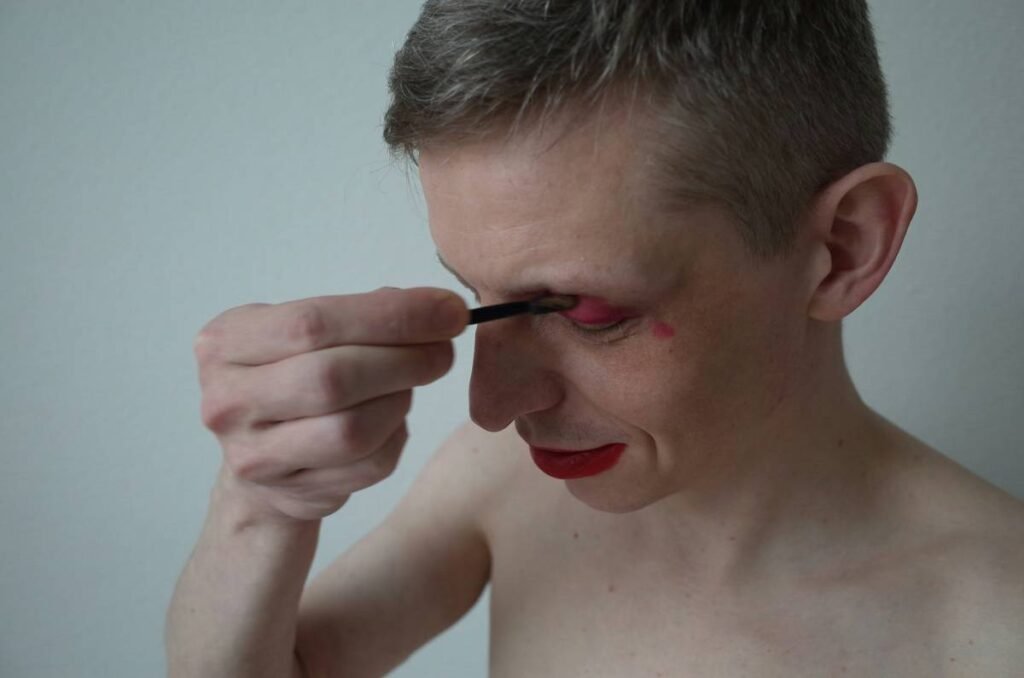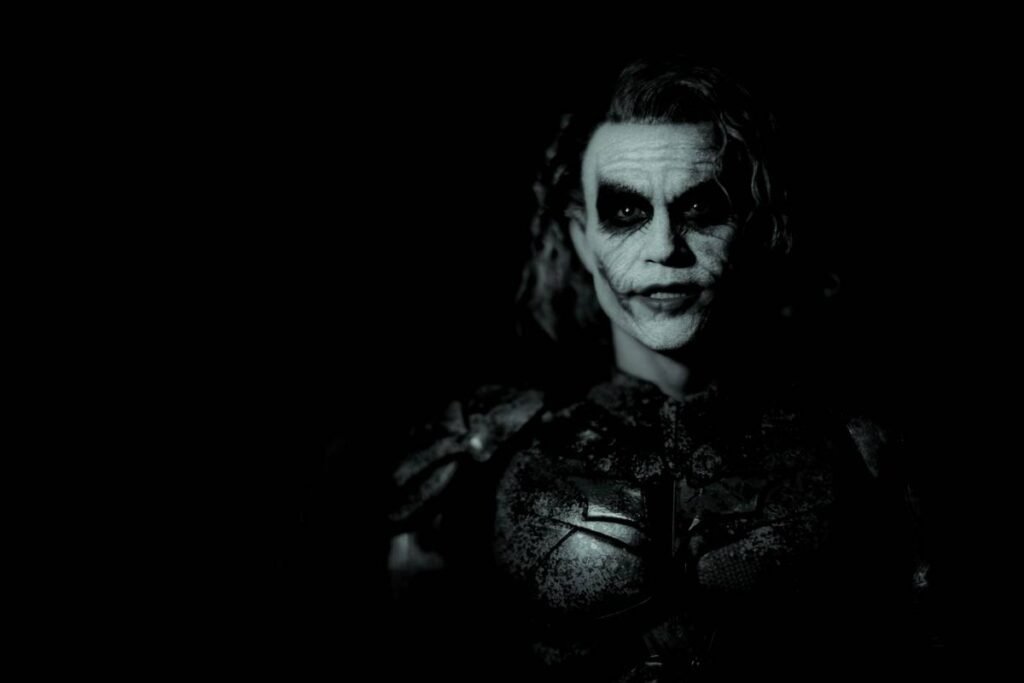
Your foundation vanished under the lights. Your contour? Nowhere to be seen. HD cameras don’t forgive—they expose. Every pore, every dry patch, every poorly blended edge gets magnified like a forensic scan. You spent hours on that theatrical look, only for it to flatten into muddy nothingness on screen. Here’s the fix: stop treating stage makeup like film or print. HD demands a new rulebook—one built for resolution, not romance.
Why Traditional Stage Makeup Fails Under HD Scrutiny
Legacy techniques were designed for live audiences 20 feet away—not 4K lenses six inches from an actor’s cheekbone. Matte powders that once “set” beautifully now read as chalky deserts. Heavy pigment layers crack under hot lights and separate on oily skin by Act II. And those beloved greasepaint sticks? They smear, migrate, and reflect light like wet plastic.
The core issue isn’t talent—it’s physics. HD sensors capture luminance and texture at microscopic levels. What looks “bold” onstage becomes “garish” or “muddy” digitally. Worse, many performers double down—applying more product to compensate—only accelerating breakdown and shine.
Mastering Stage Makeup for HD Cameras: A Precision Protocol
Forget guesswork. This is about calibration, not coverage. Build your routine around three pillars: adhesion, dimensionality, and finish control.
Select Primer Like a Cinematographer
Your base must grip—not just sit. Choose silicone-based primers with optical diffusers (think blurring microspheres). Avoid heavy occlusives; they trap heat and oil, triggering mid-scene meltdown. Pro tip: prep eyelids separately with a mattifying eye primer—HD loves to spotlight crease migration.
Layer Color Strategically—Not Heavily
Ditch opaque paints. Use high-pigment, water-activated creams (like those from Kryolan or Mehron) applied in sheer, buildable layers. Blend transitions with damp sponges—not brushes—to avoid streaking. Remember: HD reads value shifts, not saturation. Darken shadows slightly less than you think—you’ll thank yourself in playback.
Set Without Suffocating
Powder is non-negotiable—but go translucent and micronized. Apply with a velour puff using light pressing motions, not swiping. Focus on T-zone and under eyes. Skip full-face powder unless you’re under direct spotlights for over 90 minutes. Over-powdering kills skin’s natural luminosity, flattening features.

| Product Type | Traditional Stage Use | HD Camera Compatibility | Recommended Alternative |
|---|---|---|---|
| Greasepaint Sticks | High opacity, quick application | Poor—shiny, prone to smearing | Water-activated cream palettes |
| Heavy Matte Powder | Full coverage, long wear | Fair—can look chalky or dusty | Micronized translucent setting powder |
| Alcohol-Based Fixers | Locks color in harsh conditions | Risky—can cause flashback or dryness | Water-based setting sprays with glycerin |
| Standard Concealer | Covers blemishes and dark circles | Variable—often too thick | Color-correcting liquid with hydrating base |

The Industry Secret: Lighting Dictates Formula—Not the Other Way Around
Here’s what no makeup manual tells you: your palette should change based on the camera’s white balance setting, not just the script. Shooting in tungsten? Warm undertones disappear. Daylight-balanced LEDs? Cool pigments vanish. I’ve seen pros carry two nearly identical reds—one with orange bias, one with blue—just to match the shoot’s Kelvin temperature. Test under actual production lighting during tech rehearsal. If your cheeks look flat on monitor playback, it’s not your skill—it’s spectral mismatch. Adjust pigment temperature first, intensity second.
Frequently Asked Questions
Can I use regular foundation for stage makeup with HD cameras?
No. Standard foundations lack the pigment load and sweat resistance needed. They oxidize, fade, or separate under hot lights and close scrutiny.
How do I prevent makeup from looking shiny on HD?
Use oil-controlling primers, matte—but not flat—finishes, and targeted powdering. Avoid dewy products entirely unless simulating sweat intentionally.
Is airbrush makeup better for stage under HD?
Not necessarily. While seamless, most airbrush formulas are too sheer for distance viewing. Layer water-based cream makeup first, then airbrush only for touch-ups or fine detailing.